Line integration
Coordinate container preparation with filler infeed and controls.

Line preparation and feeding
A filler, capper, labeller or coder can only run consistently when containers, closures and flat components arrive in the correct condition, orientation and spacing. Rinsing and feeding equipment should therefore be selected around the item and the receiving machine, not as an isolated accessory.
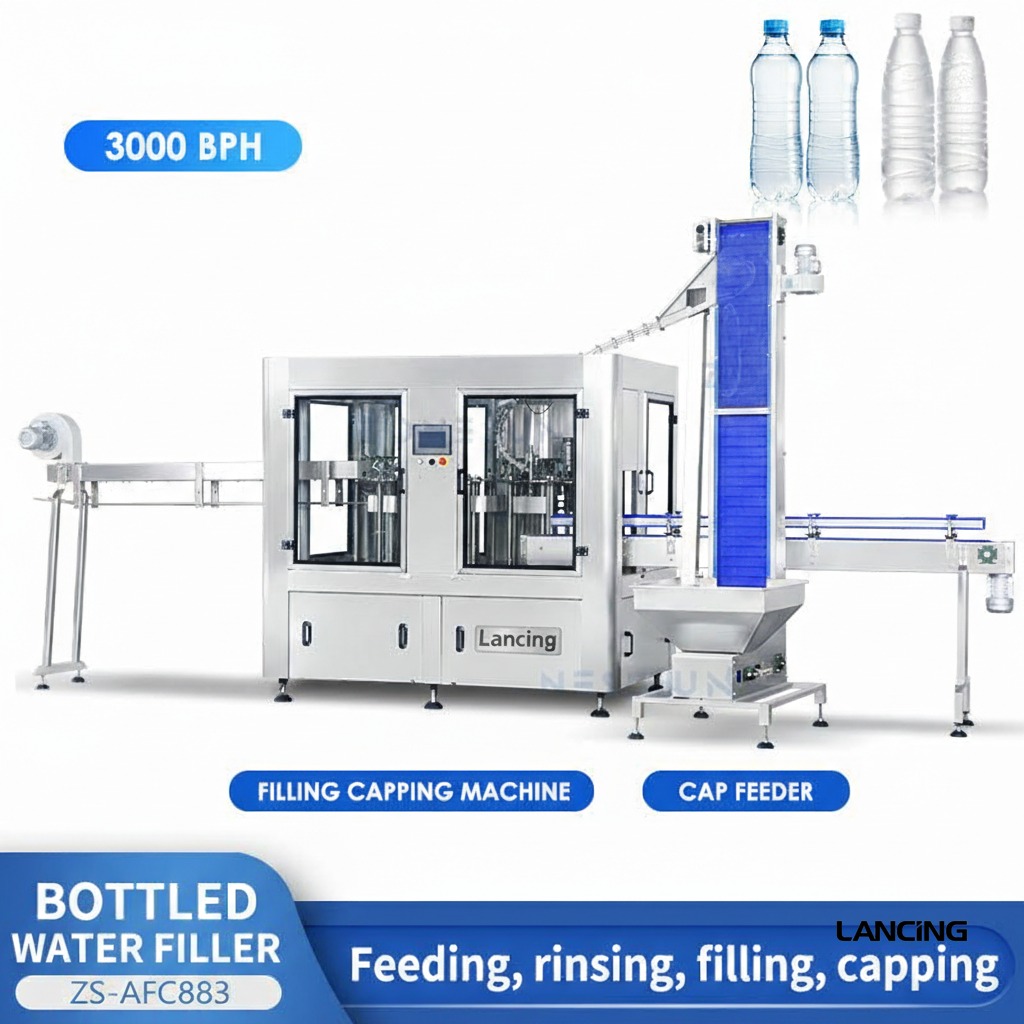
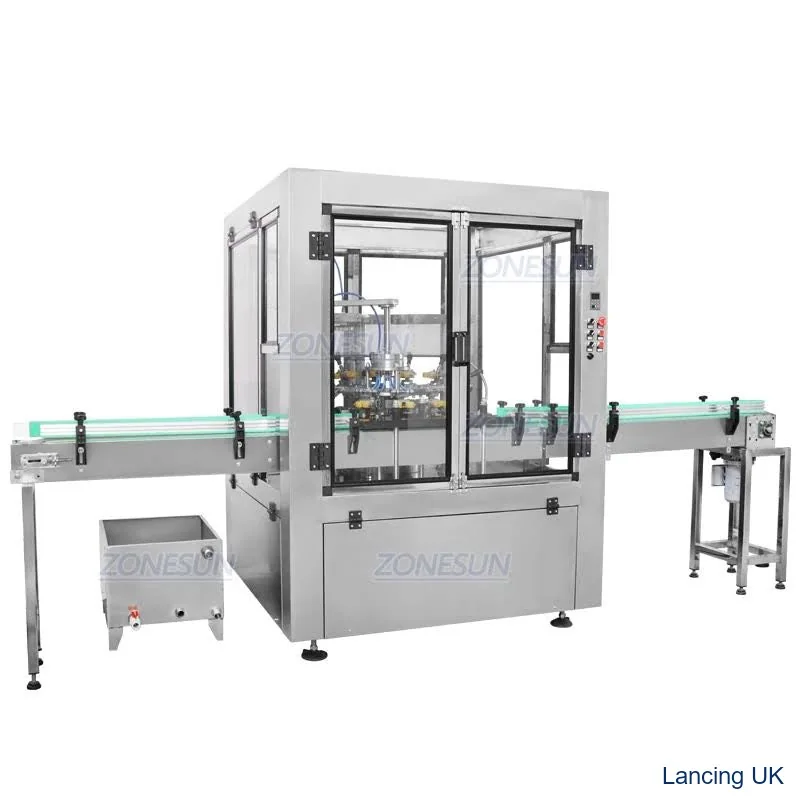
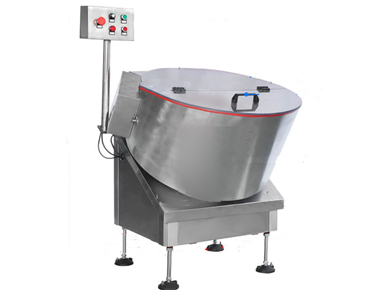
Automatic bottle rinsing and semi-automatic rinsing are different production routes. The bottle material, opening, contamination risk, rinse medium, drainage and the way the container reaches the filler must be defined before equipment is selected.
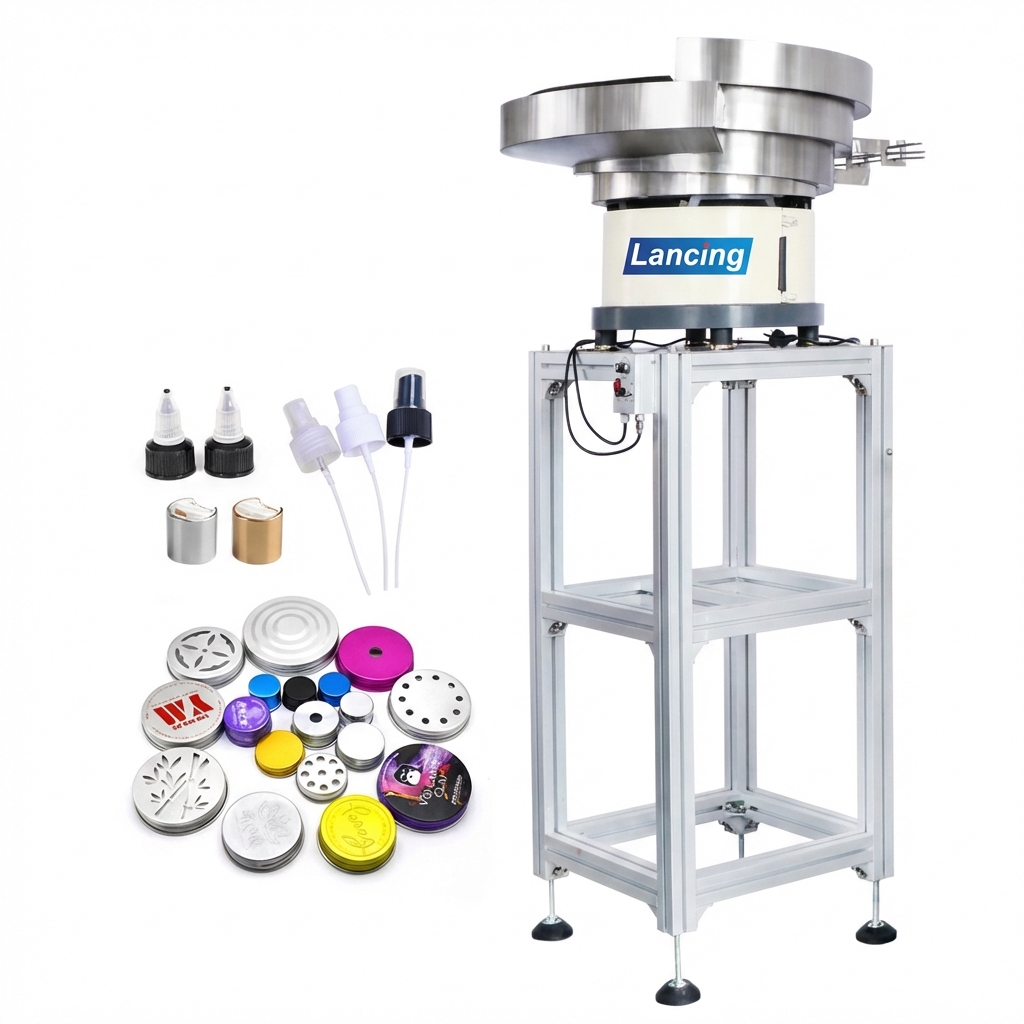
Bowl feeders, cap feeders and unscrambling systems orient components for the next operation. Geometry, centre of gravity, surface finish, nesting and the difference between acceptable and reversed parts determine the tooling and sensors required.
A friction feeder separates flat items such as cards, leaflets, cartons or pouches and presents them to a conveyor or coder. Thickness, stiffness, surface friction, curl and static are more useful selection inputs than a product name alone.
Every component should have a clear accepted orientation and a defined transfer point into the receiving machine. For bottles, record base diameter, height, neck position and stability. For caps and parts, provide dimensional drawings and samples showing moulding variation. For flat items, include the thinnest, thickest and most difficult examples from normal production.
The feed rate must also be considered with buffer capacity. A feeder that can momentarily exceed the line rate may still need sensors and accumulation so it does not overfill a chute or starve the next station. Confirm the required interface signals, fault response and how an operator will safely replenish the hopper or magazine.
| Equipment type | Key sample information | Integration question |
|---|---|---|
| Bottle rinser | Bottle material, neck, size range and required rinse process. | How is the bottle inverted, drained and transferred to filling? |
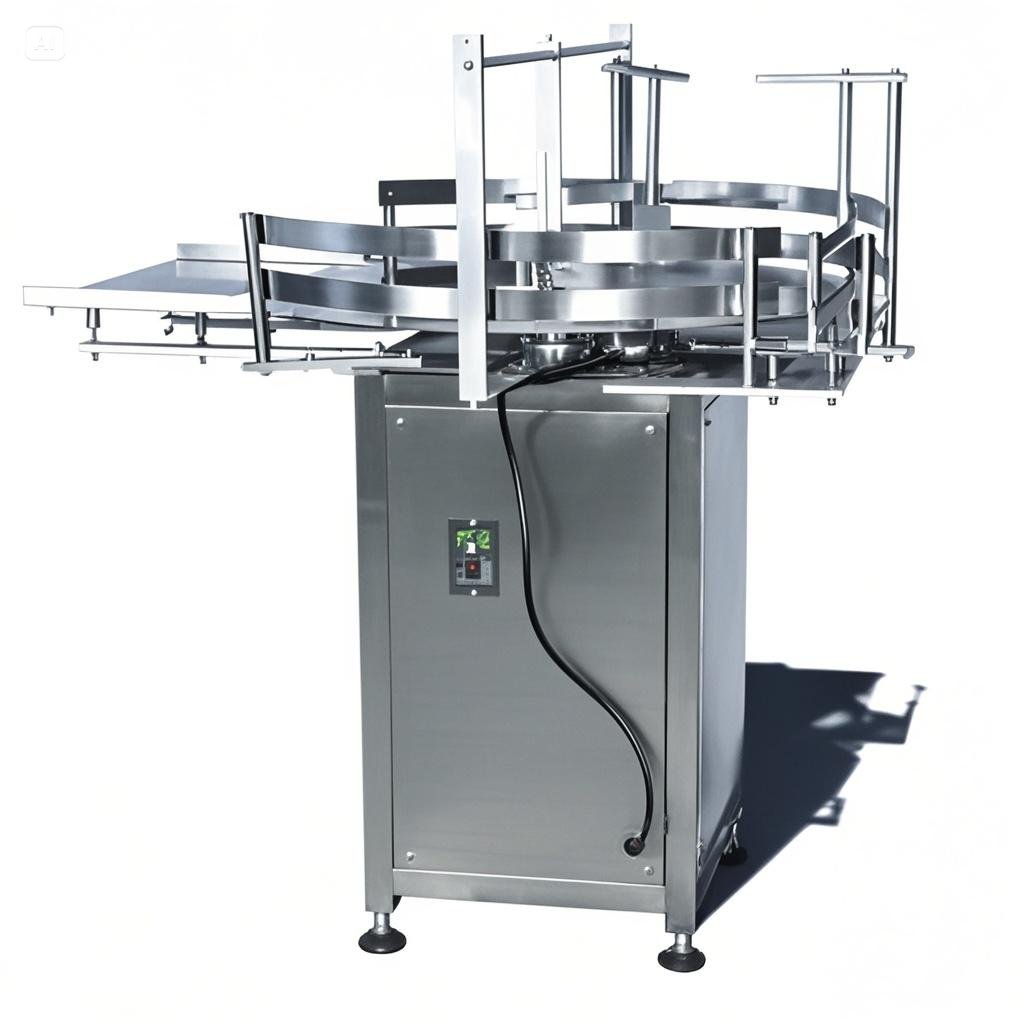
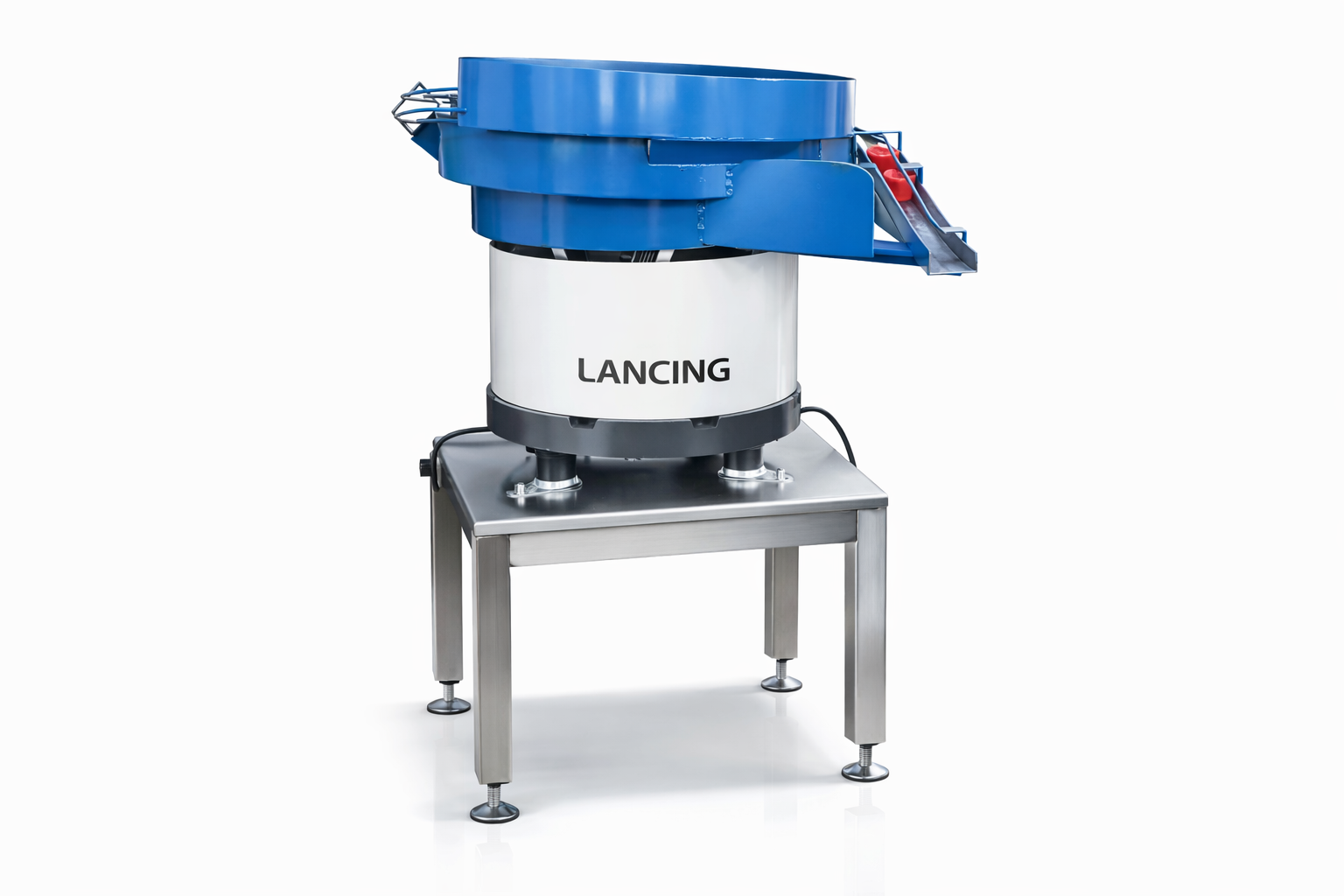
| Bottle unscrambler or infeed | Base stability, shape, neck position and surface condition. | What pitch and orientation must reach the conveyor? |
| Bowl or cap feeder | Part drawings, closure samples, acceptable orientation and defects. | How does the oriented part enter the chute or placement head? |
| Friction feeder | Length, width, thickness, stiffness, curl and surface friction. | Is the item being coded, labelled, counted or inserted? |
Components that feed correctly when new may behave differently when dusty, statically charged, slightly distorted or taken from another production batch. A useful trial includes the normal variation and enough pieces to test replenishment, stops, restarts and changeover. Provide the intended line speed, but also describe the minimum spacing and positional accuracy required at the hand-off point.
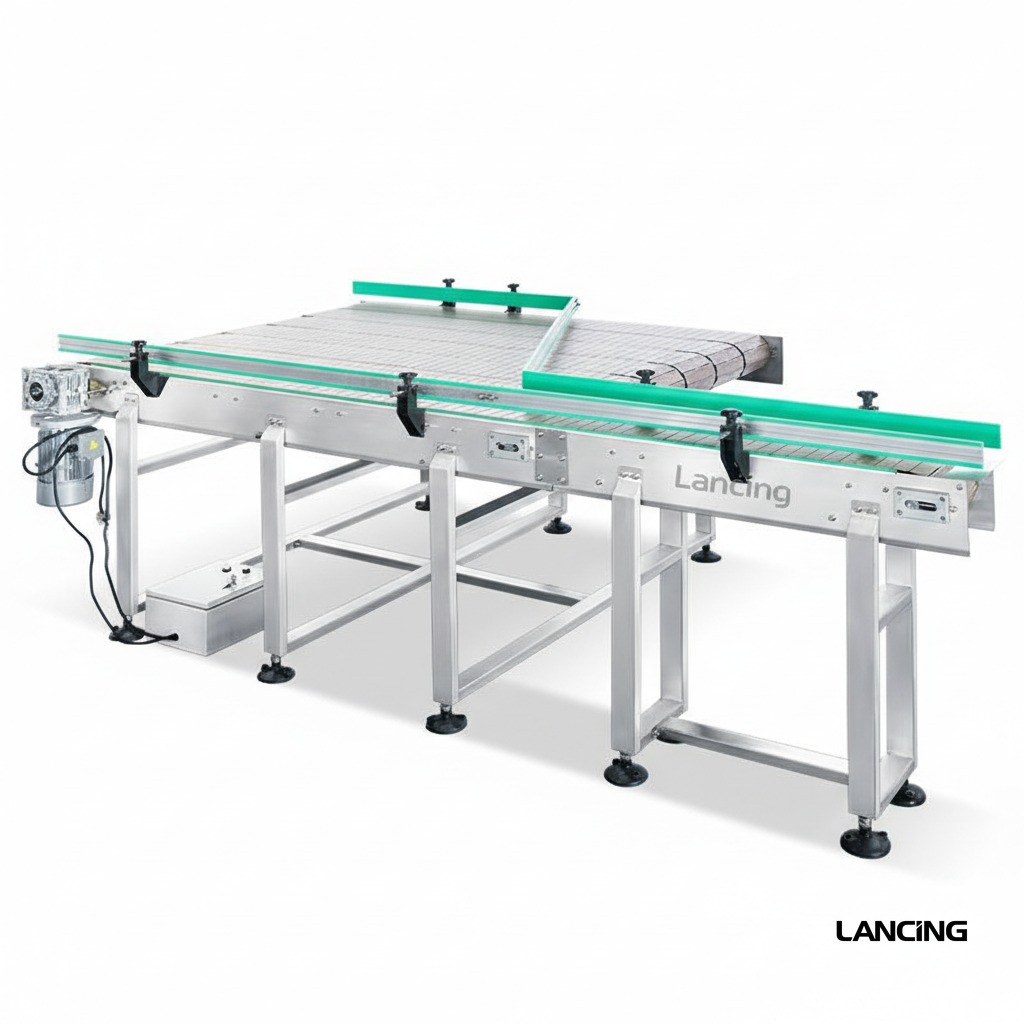
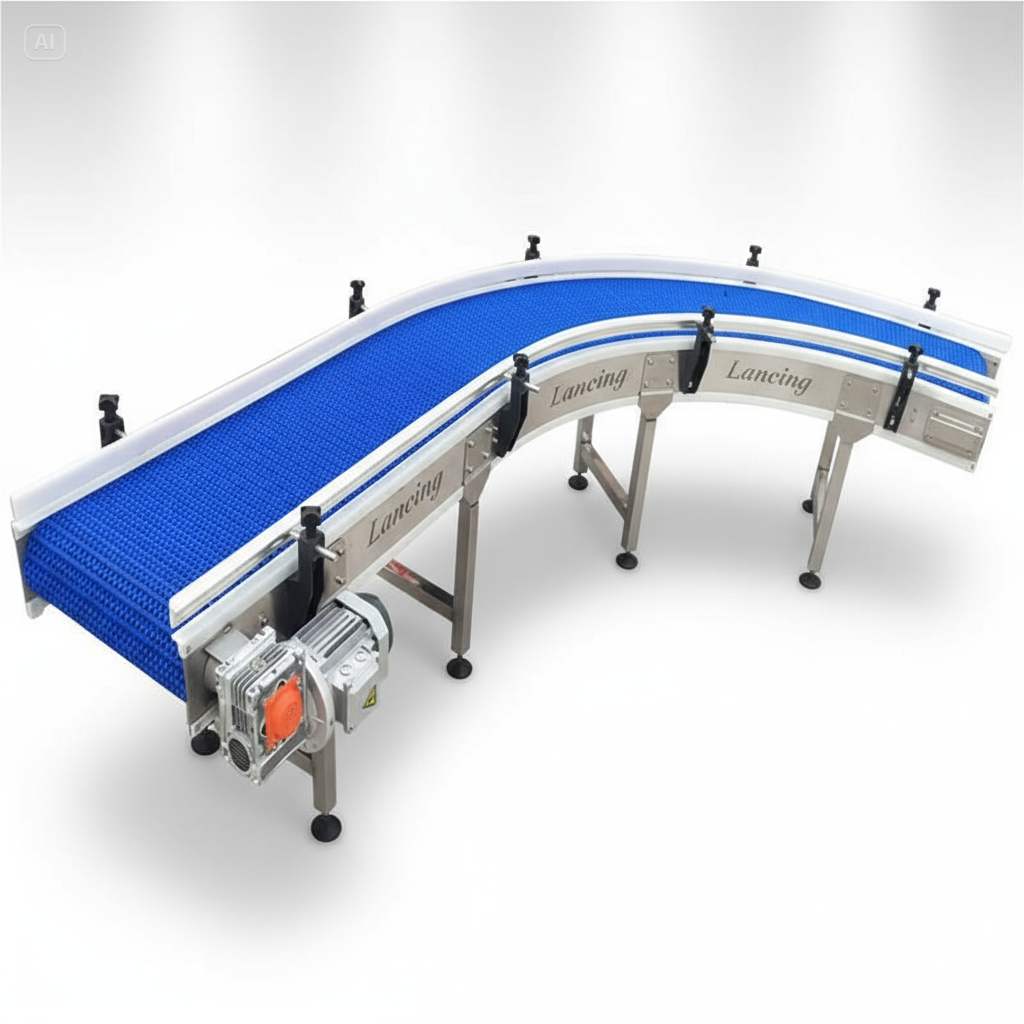
Related line-handling options include the bottle unscrambler, infeed conveyor and side-drive belts. Their role should be coordinated with the receiving machine and any accumulation between processes.
Feeding an unusual bottle, cap, leaflet or pouch? Send representative samples and the receiving-machine details so orientation and transfer can be assessed together.
Discuss rinsing or feedingProvide representative parts, drawings, the accepted orientation, normal dimensional variation, target feed rate and details of the machine that receives the part. Samples should include difficult or borderline items.
A friction feeder is used for flat products that can be separated from a stack and presented individually, such as cards, leaflets, flat cartons or pouches. Thickness, stiffness, curl, static and surface friction must be tested.
The feeder must deliver the item at the position, orientation, pitch and height expected by the next machine. A good feeder can still cause stoppages if the transition between systems is not defined.
A size range may be possible, but tooling, guides, sensors, chute geometry and changeover time depend on the differences between components. All intended samples should be reviewed before quotation.
The required rate is based on the receiving machine plus a suitable buffer and control strategy. The trial should also check stops, restarts, replenishment and recovery after a fault, not only continuous maximum speed.
Container preparation resources
Rinsing, unscrambling and feeding should be specified from the real container and its required condition at the next machine.
Provide every container format, including the lightest, least stable and most easily marked example. State how containers arrive, whether they can touch, the required orientation, the acceptable internal cleanliness result and the method used to confirm it. The project should identify how air, water, extraction or inversion is controlled and how the container is protected after preparation.
Map the handover to filling, including height, pitch, guides, fallen-container detection and blocked/starved response. Use the sample and line-integration guides to test the complete route rather than a feeder in isolation.
Coordinate container preparation with filler infeed and controls.
Survey stability, transfers, contact and queue behaviour.
Provide material and dimensional extremes for controlled tests.
Ready to discuss the application?
Send the application details to Lancing for a tailored machinery review.
Container state after rinsing and feeding
Rinsing and feeding should deliver the correct container orientation, spacing and condition to the next machine. Define residual moisture or rinse medium, drainage time, inversion, static, damage checks and the acceptable handover after stops and restarts.
© Copyright 2025 by Lancing Ltd - all right reserved terms & conditions