Pack and label
Record taper, ovality, seams, recesses, label panel, face stock, adhesive, liner, gap, roll direction and acceptable position from a measurable datum.

Labelling machinery guidance
Reliable label placement depends on container geometry, label construction, presentation panel and line handling. Start with production samples and a drawing of the required label position.
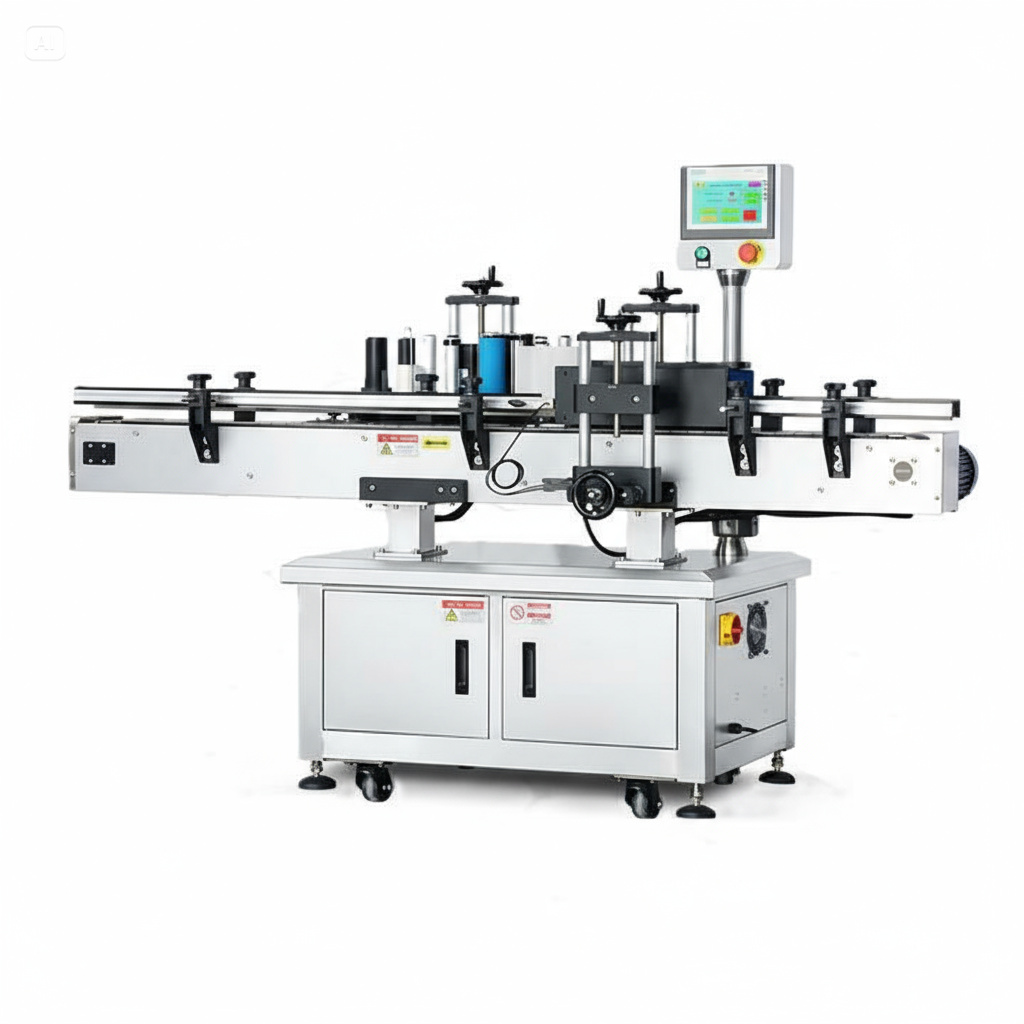
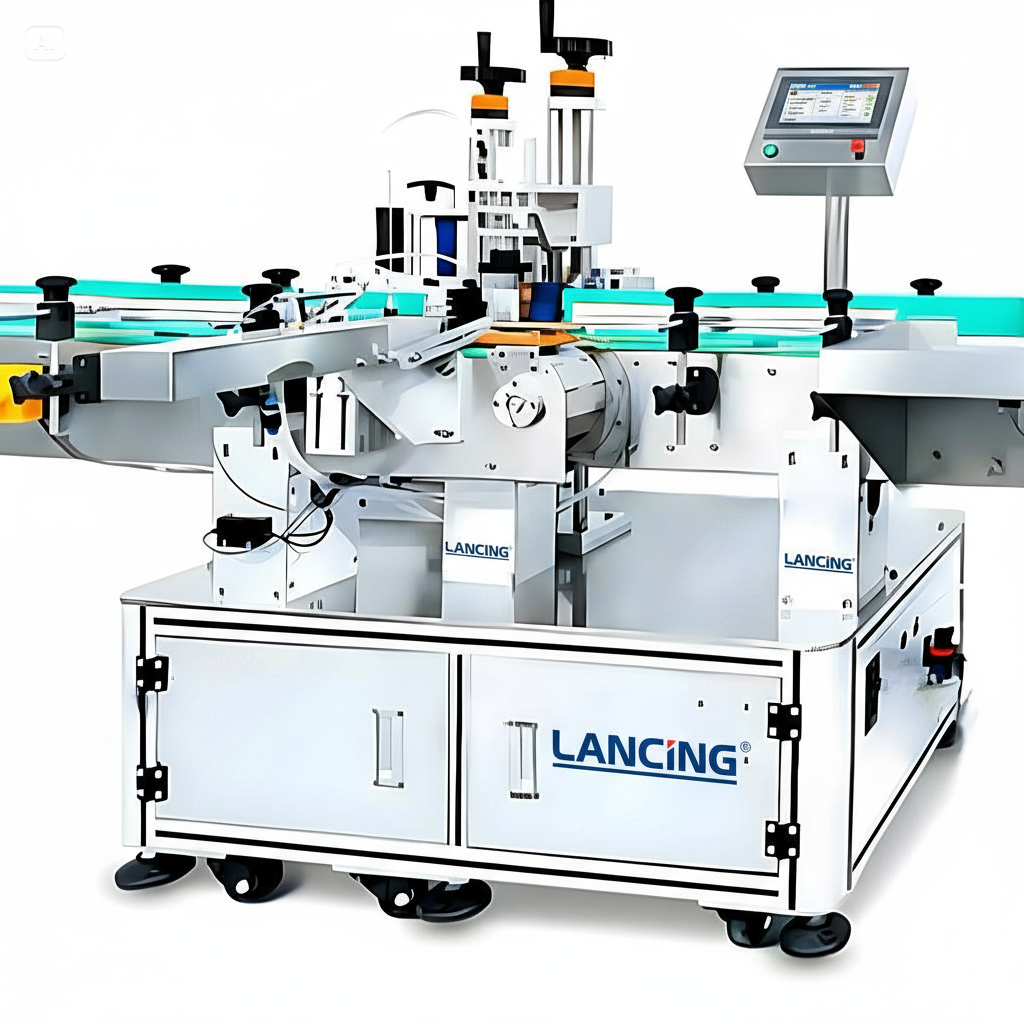
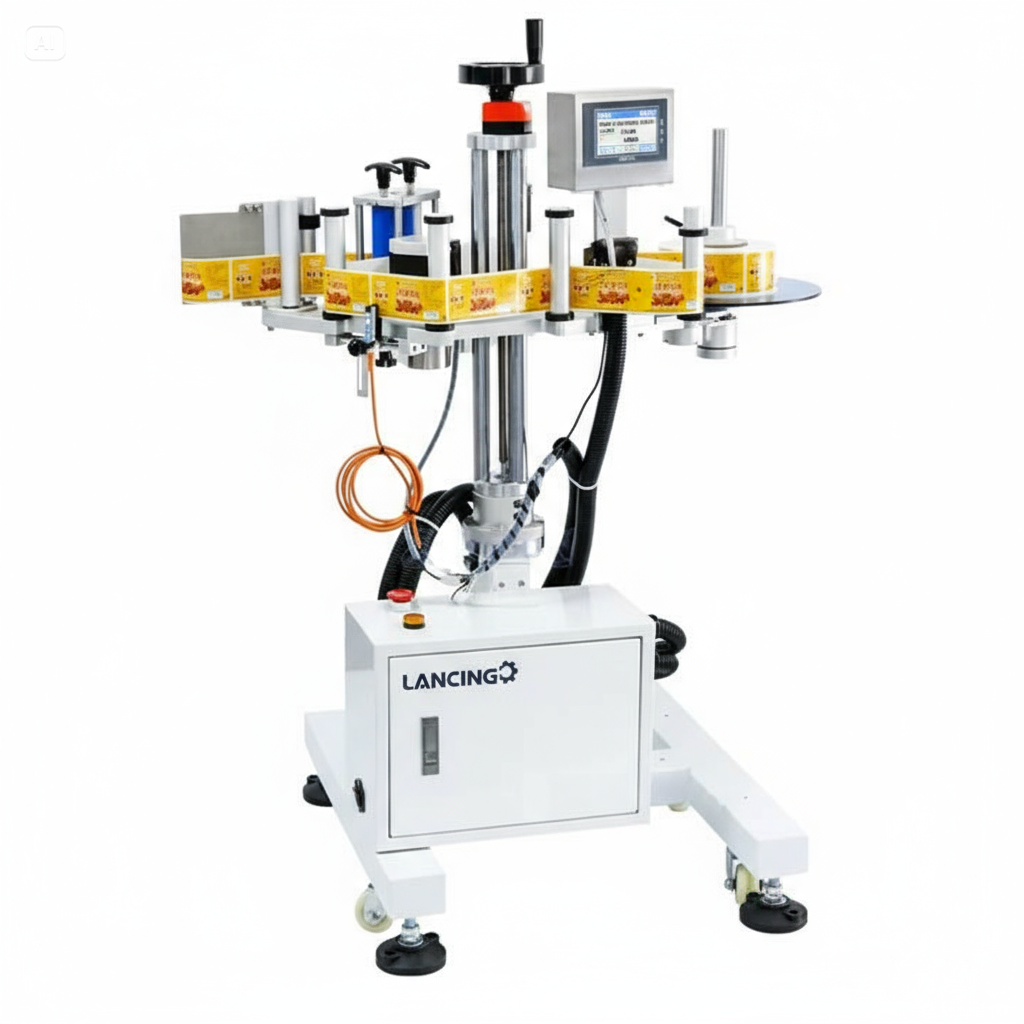
Wrap-around application needs stable rotation and synchronised label dispense. Compare round-container labelling and confirm taper, seams and surface variation.
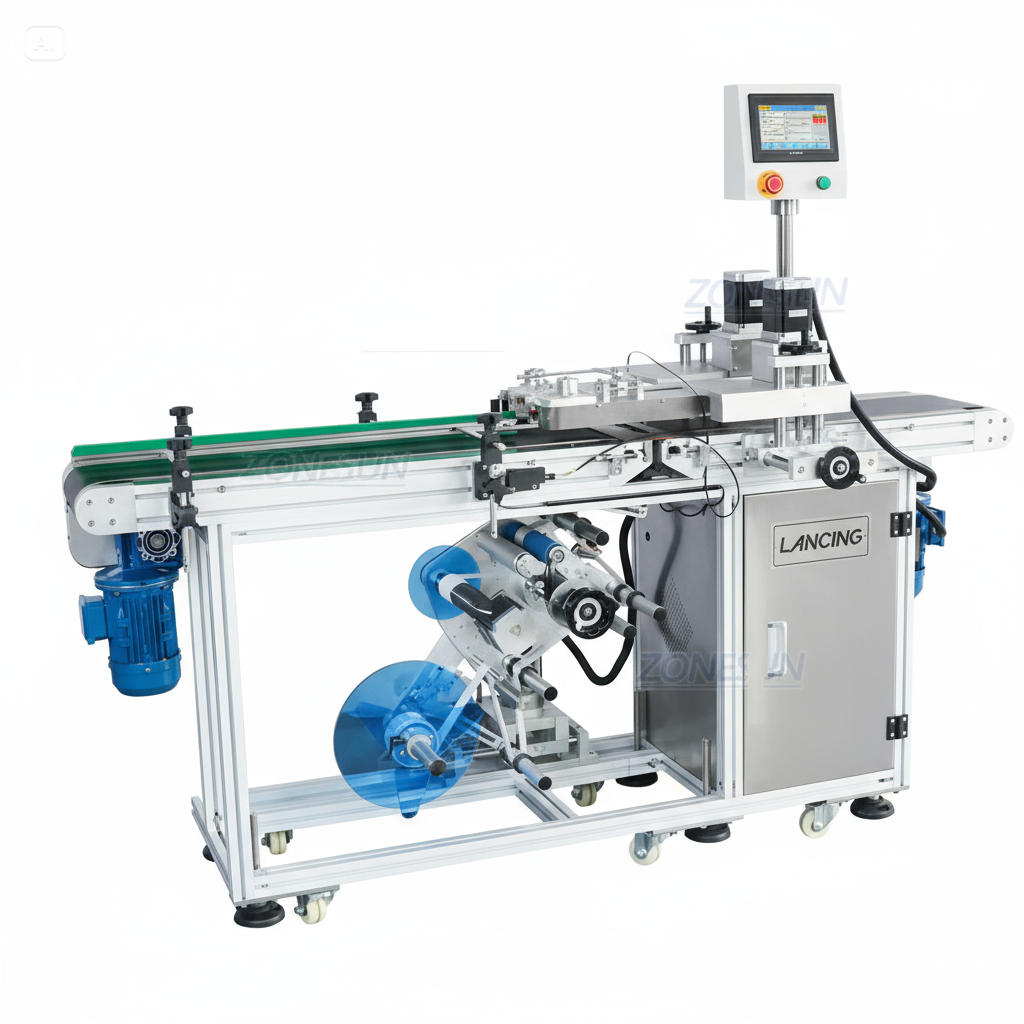
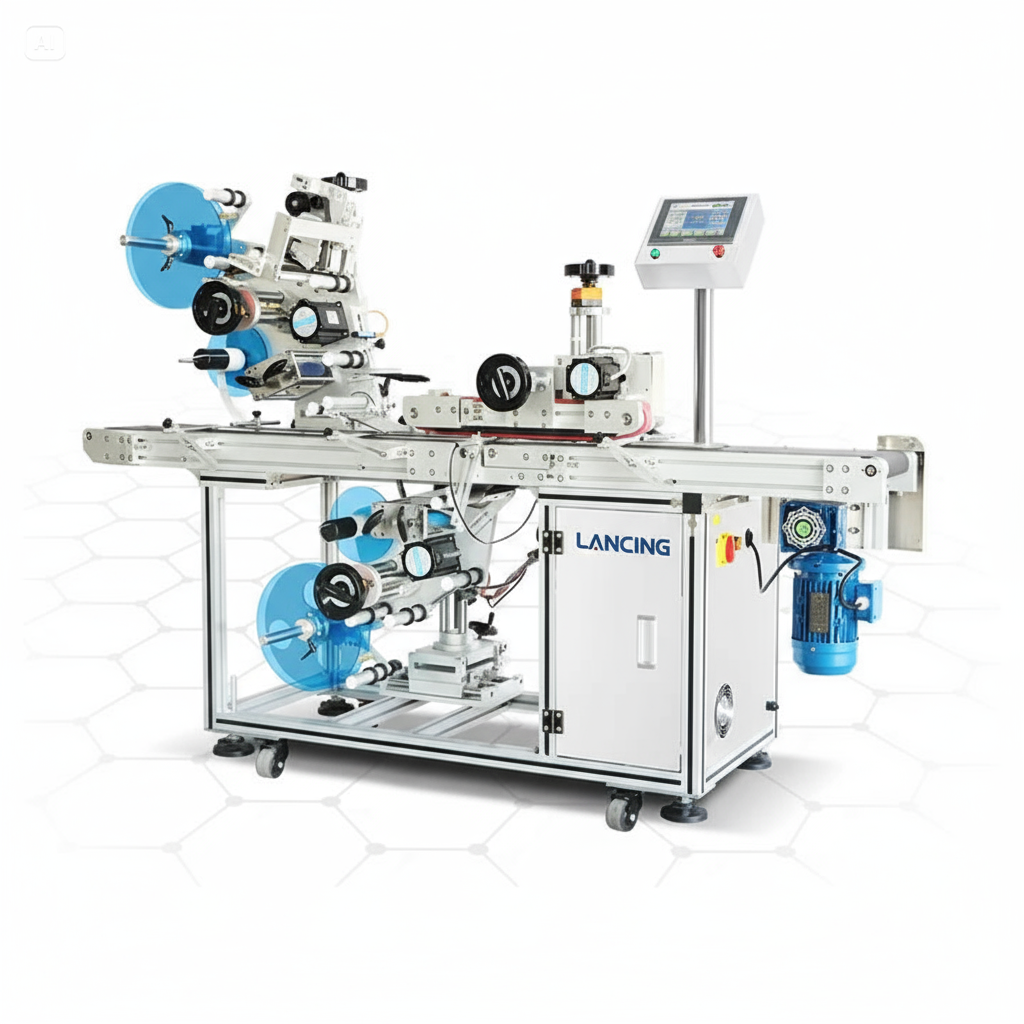
Flat packs may need top, side or front-and-back application with controlled product spacing. See flat-surface and front-and-back labelling.
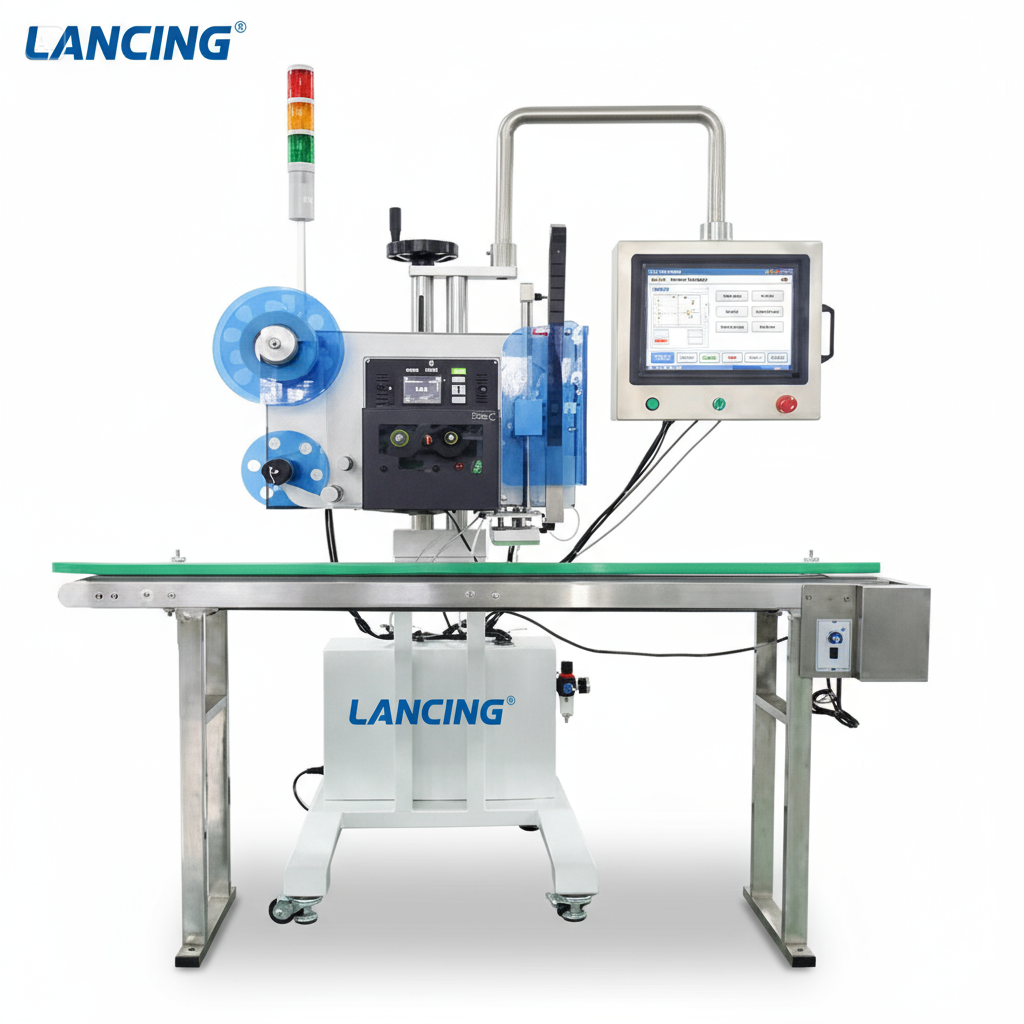
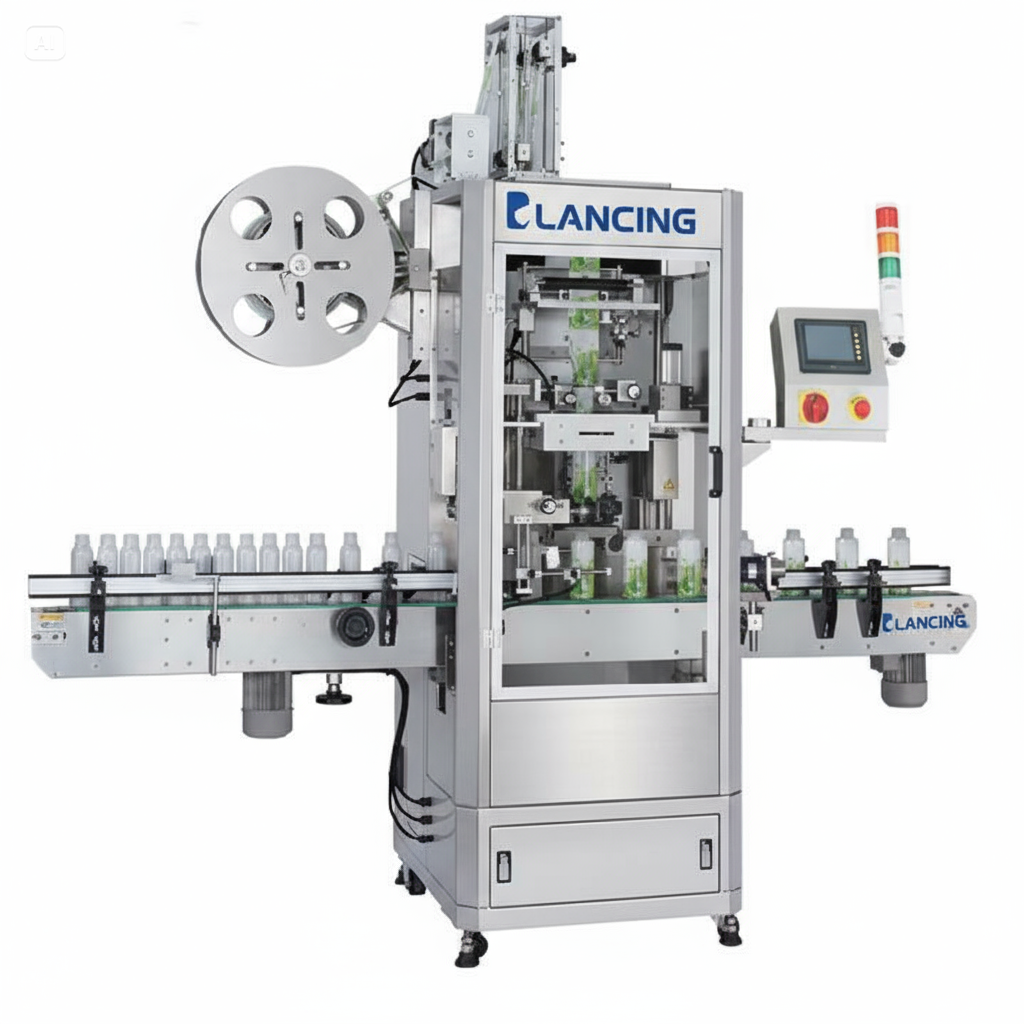
For information printed at the point of application, review print and apply. For full-body decoration or tamper bands, compare sleeve applicators.
Supply the face material, adhesive, liner, roll direction, core diameter, outside roll diameter and any transparent sections. Clear labels can require a suitable sensor. Thin films, heavily varnished labels or low-stiffness liners may need different web handling from standard paper labels.
The pack must also be controlled at the point of application. Tapered, oval, flexible or lightweight containers may need side belts, spacing screws, wrap stations or dedicated fixtures. If coding or inspection is required, define the data, print area and reject action at the same time.
Match the labeller to the real container and label rather than a nominal shape.
Review a labelling projectAdhesive, liner stiffness, roll direction, transparency and die-cut quality affect dispensing and placement. A PDF artwork file cannot reproduce those handling characteristics.
Some systems can be configured for several shapes, but the handling method and application head position may differ. List every pack format and required label panel.
Container taper, surface contamination, label stiffness, adhesive behaviour, incorrect web tension and poor product control can all contribute. Samples should be tested at the intended application speed.
Yes, with a sensor suitable for clear label stock. The actual face material and liner should be supplied because detection performance depends on the construction.
Accuracy should be defined against a fixed feature on the container and tested with the agreed label, pack, speed and handling arrangement.
Labelling project tools
Container geometry, product control, label construction, application position and variable data should be evaluated as one system.
The labelling machine selection guide explains wrap-around, front-and-back, top, flat-surface, sleeve and print-and-apply applications. Supply production containers and wound rolls, not artwork or loose labels alone.
Record taper, ovality, seams, recesses, label panel, face stock, adhesive, liner, gap, roll direction and acceptable position from a measurable datum.
Define code content, data source, print window, presence or content verification, reject tracking and the response to repeated failures.
Match application method to pack geometry and label construction.
Plan variable data, verification, tracking and rejection.
Prepare wound rolls, reference packs and measurable placement checks.
Ready to discuss the application?
Send the application details to Lancing for a tailored machinery review.
Labelling selection questions
Labelling performance is a combined result of the pack, label construction, web presentation and handling method. These questions identify factors that should be resolved before a front-and-back, wrap-around, top, bottom or print-and-apply system is configured.
A tapered container has a different circumference along its height, so a rectangular label may try to travel in two paths at once. The result can be lifting, skew, wrinkles or an uneven overlap even when the label is dispensed accurately.
Measure the application zone rather than the overall container alone. Check taper, panel curvature, seams, moulding variation and the distance from the base or shoulder. A shaped label, altered label position or a different application method may be required.
The label fault guide explains how geometry appears in the finished label.
Provide the label size, gap, roll outside diameter, core size, winding direction, number across, backing width, material and adhesive, together with a production-quality roll. The relationship between artwork orientation and unwind direction must be unambiguous.
Include the liner and adhesive actually intended for production because stiffness, release force and tack influence dispensing and initial contact. If several suppliers or materials are planned, identify them as separate trial conditions.
Use the sample-trial checklist for traceable samples.
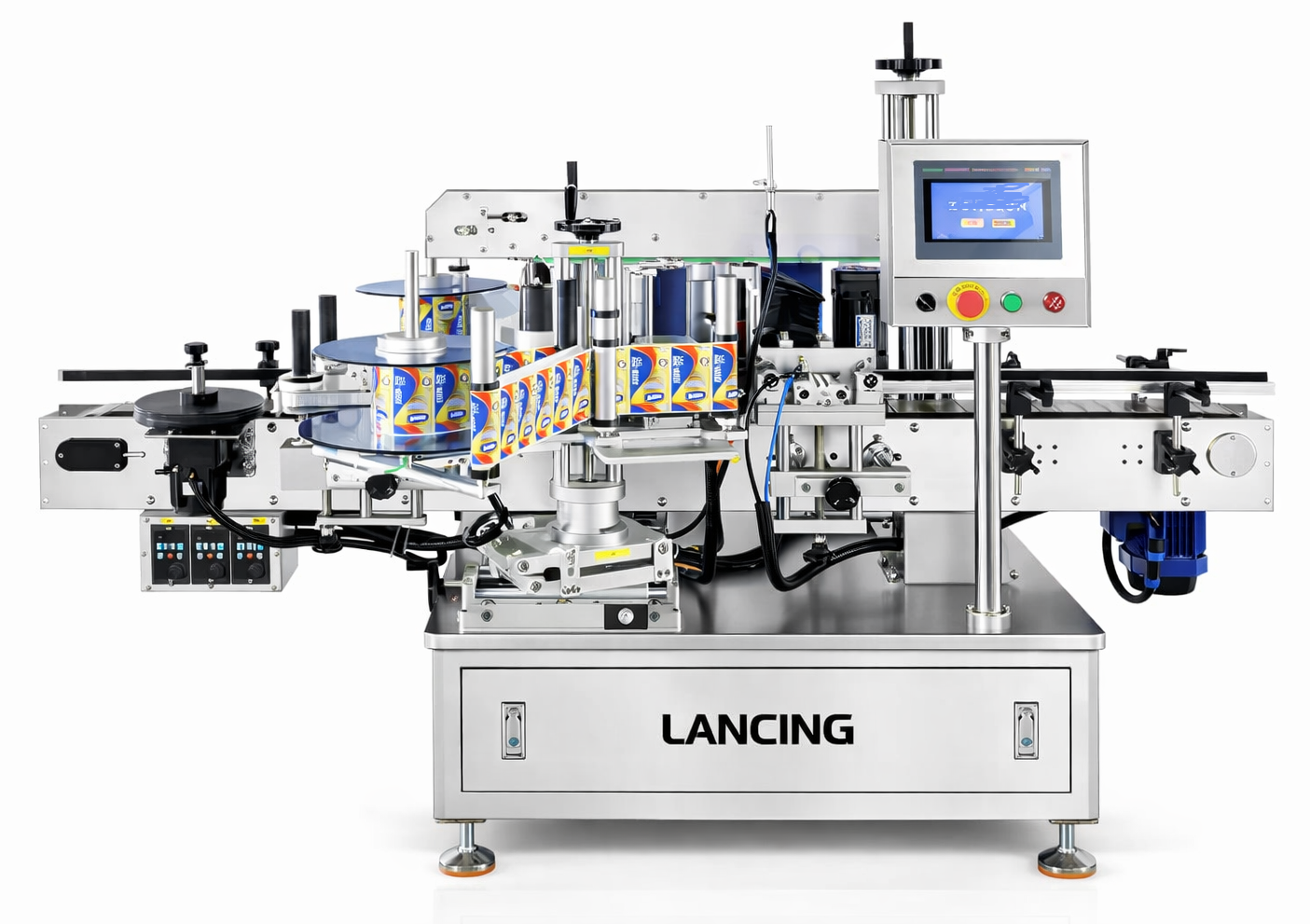
Separate front-and-back labels are appropriate when the pack has distinct presentation panels or when a single label cannot follow the available surface. Wrap-around labelling is appropriate when one label is intended to follow most or all of a substantially cylindrical surface.
The decision also depends on orientation, panel flatness, label gap, container stability and the required relationship between artwork and pack features. A physical trial is valuable where the container has taper, handles, ribs or variable seams.
Define whether variable data is printed before, during or after label application and what must be verified. The process should identify the print window, trigger, data source, pack tracking, failed-read response, reject location and behaviour after a line stop.
A readable code in a static sample does not prove reliable production. Check substrate contrast, pack movement, printer distance, label position tolerance and the time available between printing, inspection and rejection.
The coding and inspection guide provides a practical interface checklist.
Provide production containers, a representative label roll, artwork orientation, required position and any coding or inspection duty for a useful labelling review.
Discuss the applicationLabelling project specification
Reliable label placement depends on production-equivalent labels and containers. The roll construction, adhesive, sensor reference, unwind direction, container surface and required alignment should be confirmed together.
Define pitch, web, liner, adhesive, roll format and registration.
Compare variable data with applying converted label stock.
Define shape, orientation, surface and dimensional variation.
Supply complete label rolls and representative packs. Loose labels do not demonstrate liner release, roll winding, detection or web tracking. If the label must align to a handle, moulded panel or closure, identify that datum on the sample and drawing.
Labelling process choice
The choice is driven by decoration area, container geometry, heat sensitivity, tamper feature, material construction, changeover, tunnel space and finished-pack appearance—not by artwork preference alone.
Use the pack, material and line process to choose the method.
Review sleeve placement and shrinking equipment.
Define roll direction, liner, adhesive, pitch and trial material.
© Copyright 2025 by Lancing Ltd - all right reserved terms & conditions