
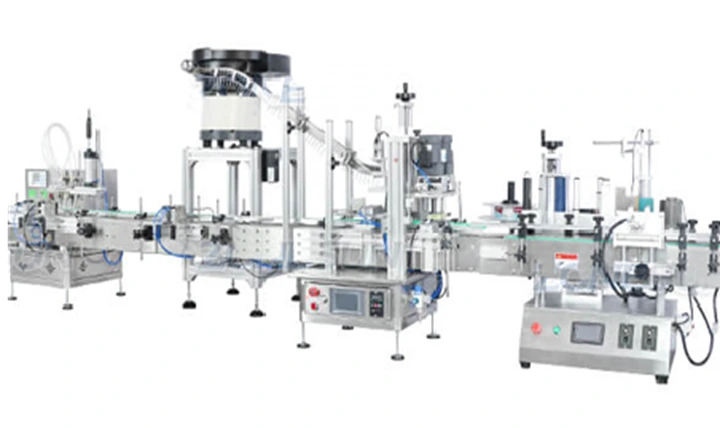
When it comes to pharmaceuticals, there’s no room for error. From syrups and suspensions to creams and ointments, every dose must be accurate, contamination-free, and fully compliant with strict industry regulations. Our precision-engineered filling, capping, and labelling systems are designed for GMP environments, offering cleanroom-friendly construction, easy sterilisation, and integration with serialization and inspection technologies. Whether you’re producing small clinical batches or high-volume commercial runs, we deliver machinery that ensures consistency, compliance, and complete peace of mind.
Filling Machines
In pharmaceuticals, accuracy, cleanliness, and GMP compliance are absolutely critical. Products can range from thin aqueous solutions to thicker suspensions, and container sizes vary from small vials to large bottles.
-
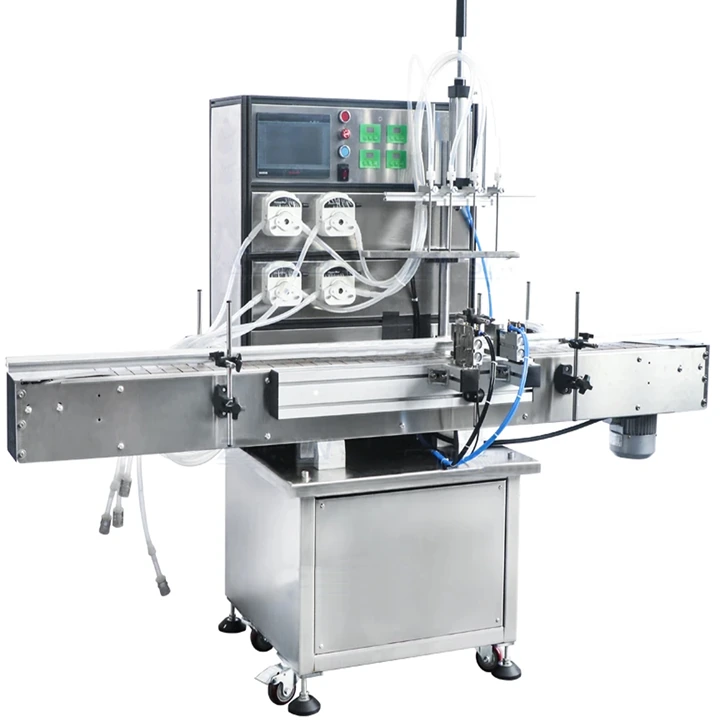
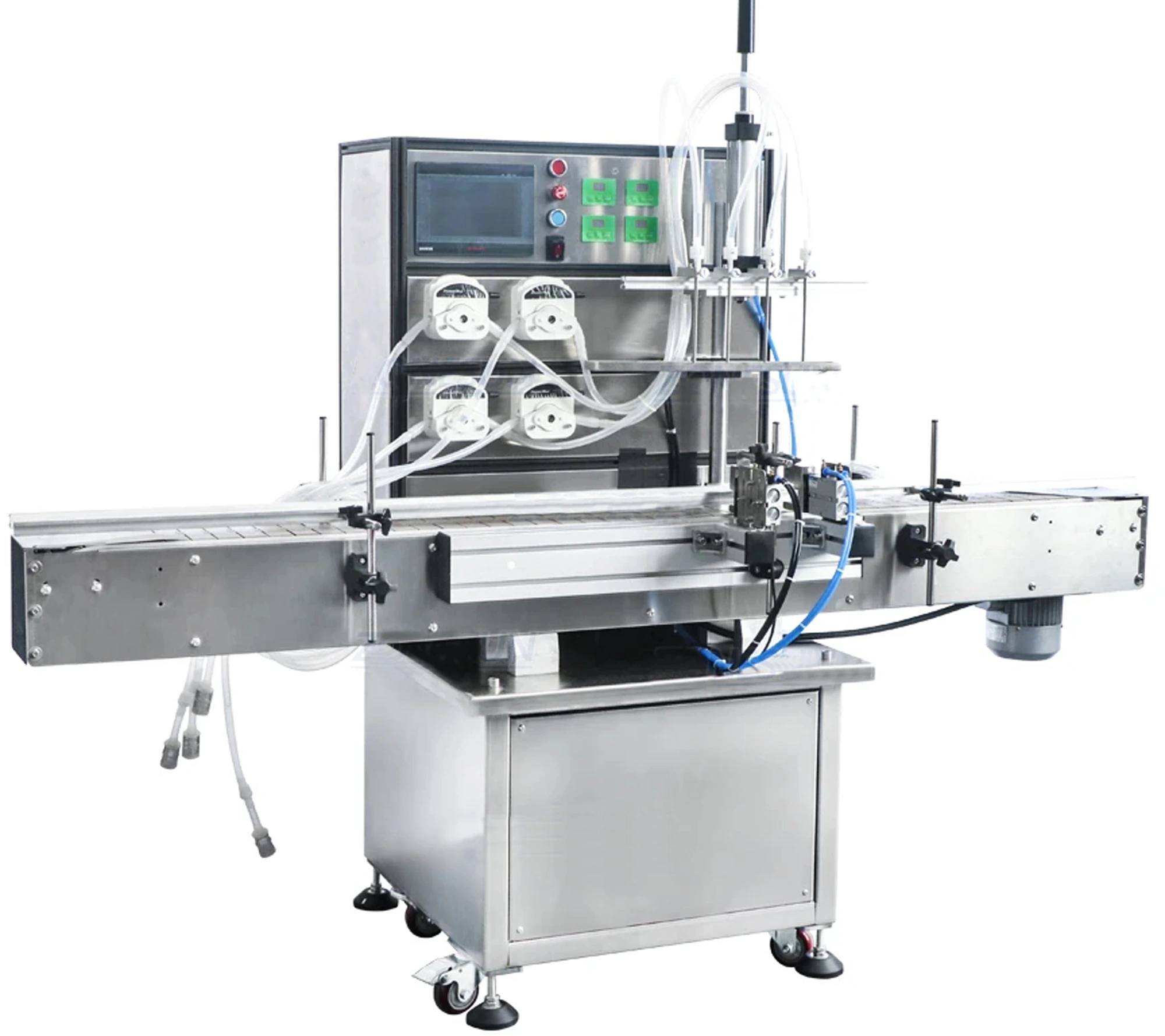
Peristaltic Pump Fillers – Ideal for sterile or sensitive liquids. The product only comes into contact with the tubing, which is quick to sterilise or replace, reducing contamination risk. Delivers high-accuracy micro-dosing (±0.5% or better), making it perfect for medicines, syrups, and oral solutions.
-
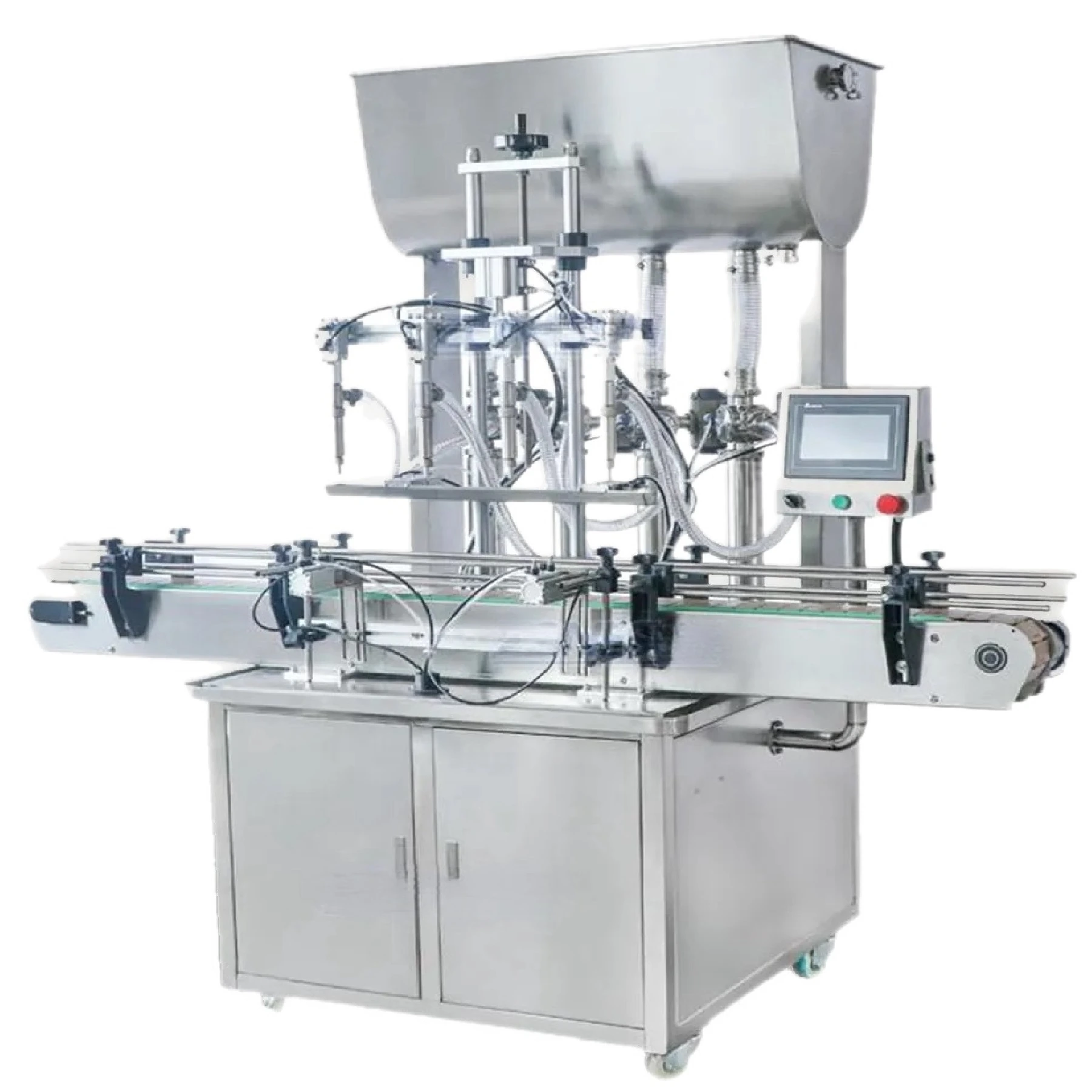
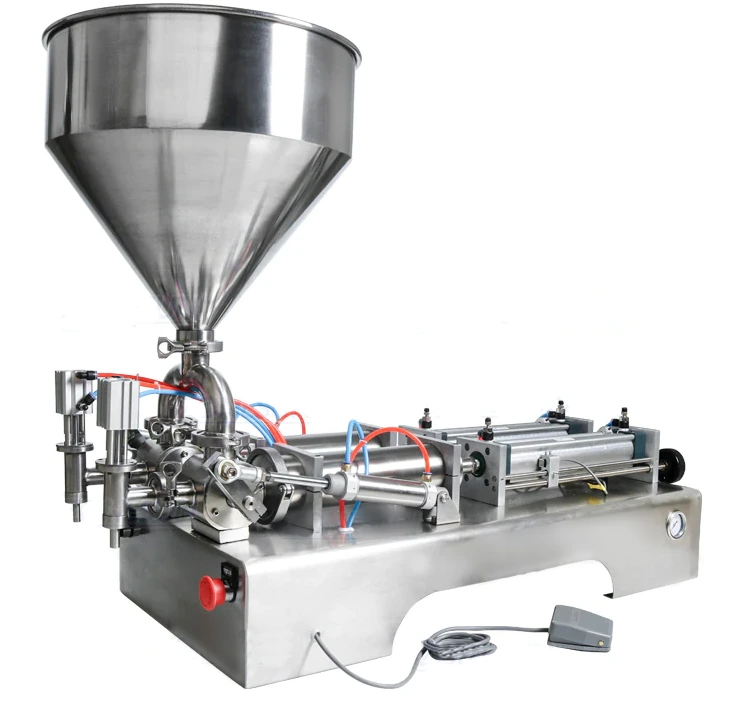
Piston Fillers – Better suited for viscous pharmaceutical creams, gels, and ointments, ensuring consistent volumes and smooth dispensing without product degradation.
Capping Machines
Pharmaceutical caps are often child-resistant, tamper-evident, or dropper-style. Consistent torque is essential for both safety and compliance.
-
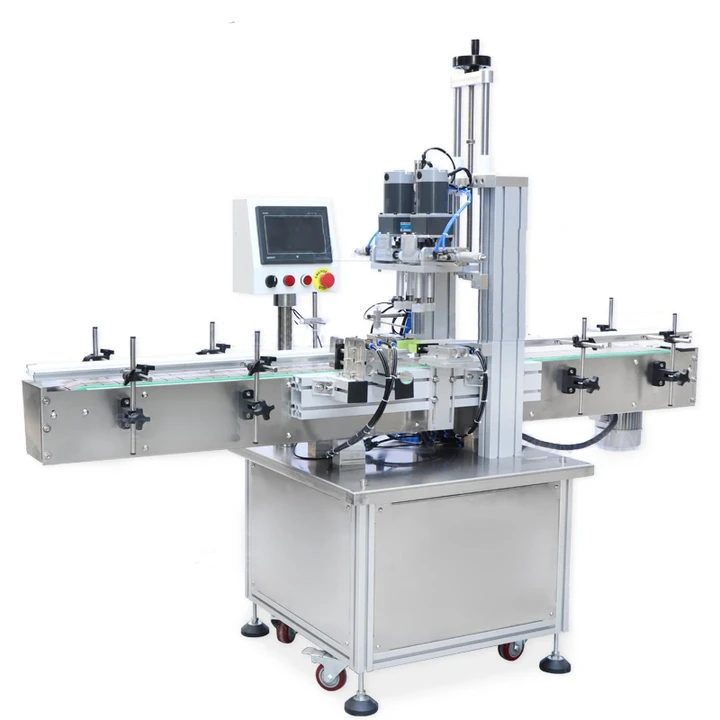
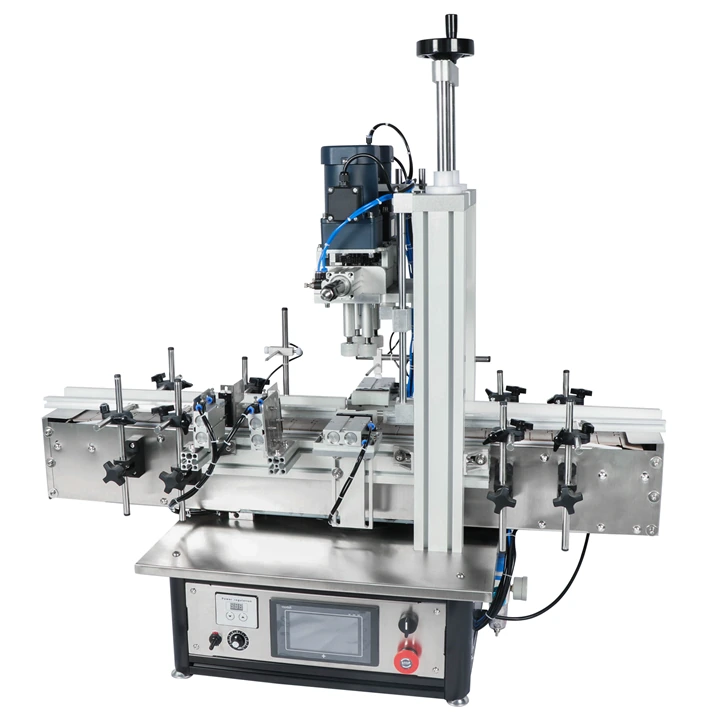
Automatic Chuck Cappers – Apply exact torque every time, ensuring caps are secure but not over-tightened, which is crucial for tamper evidence and regulatory standards.
-
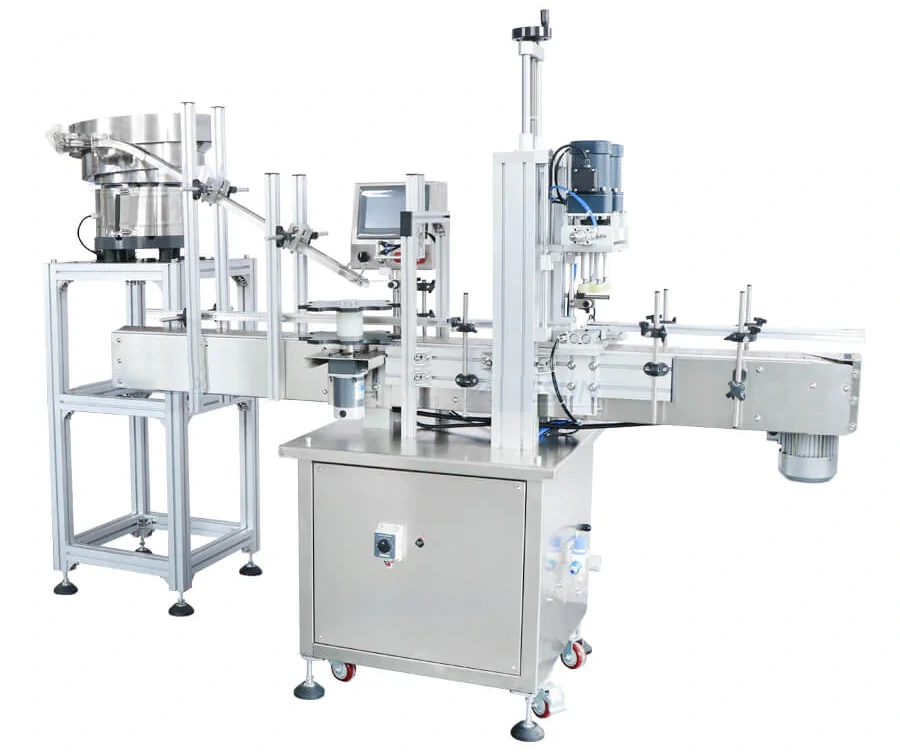
Automatic Spindle Cappers – Flexible and efficient for high-speed lines handling multiple cap types with minimal downtime between changes.
Labelling Machines
Pharma labelling is not just about branding—it’s about compliance, traceability, and patient safety.
-
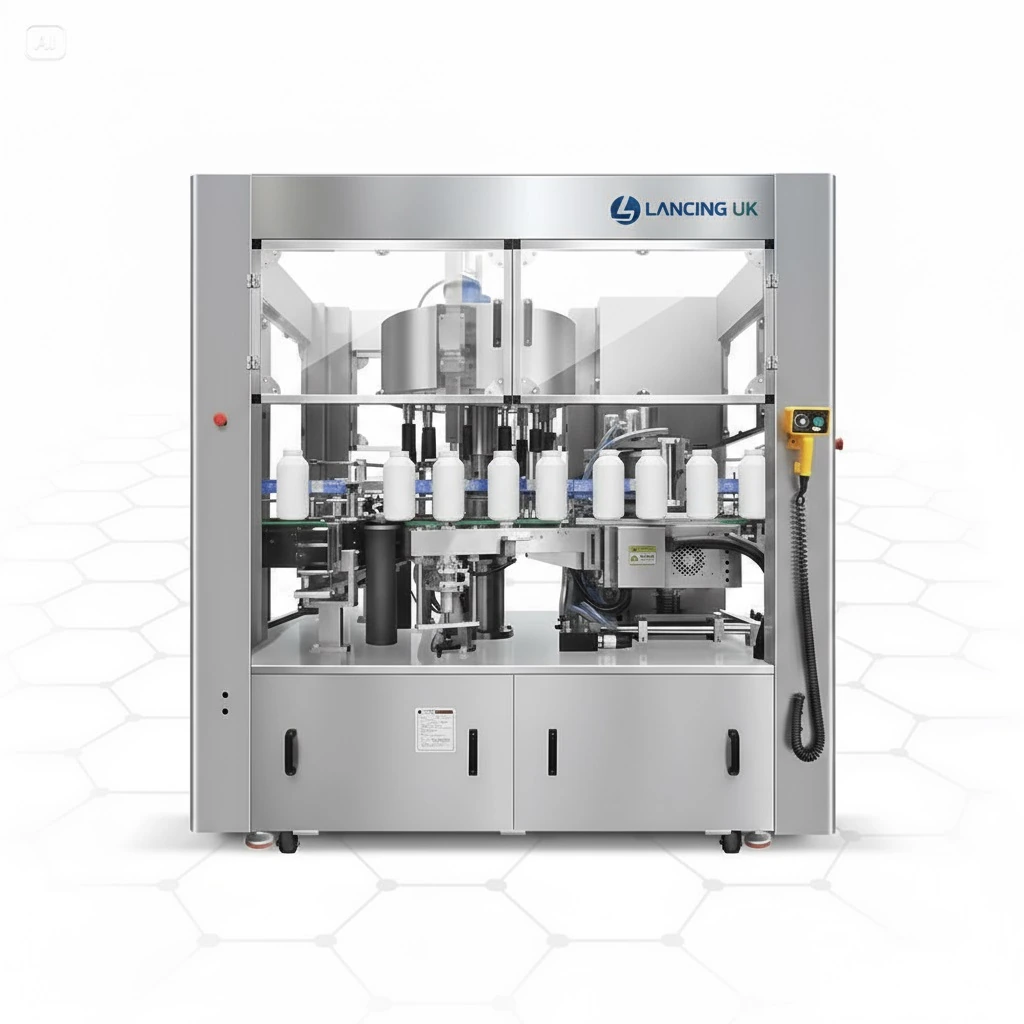
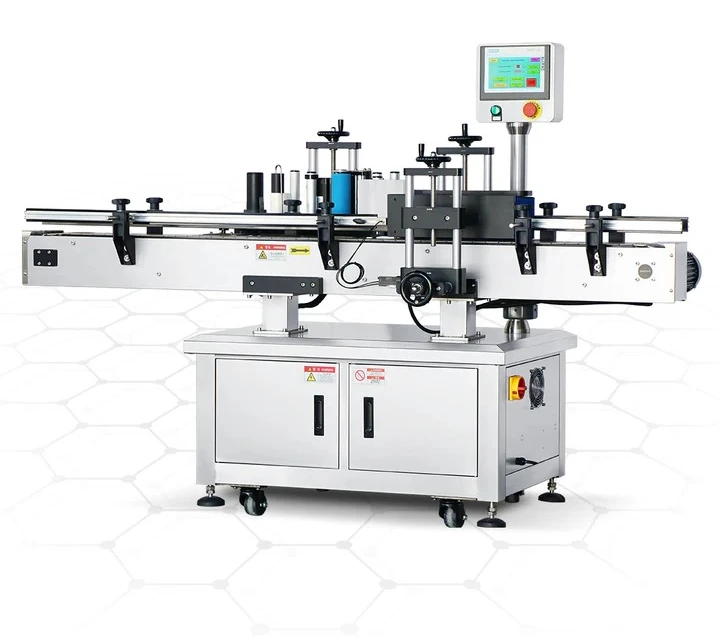
Wrap-Around Labellers – Perfect for cylindrical medicine bottles or vials, ensuring 360° label coverage without wrinkles or bubbles.
-
Front-and-Back Labellers – For flat or rectangular containers such as syrup bottles or cartons, ensuring precise alignment of information panels.
-
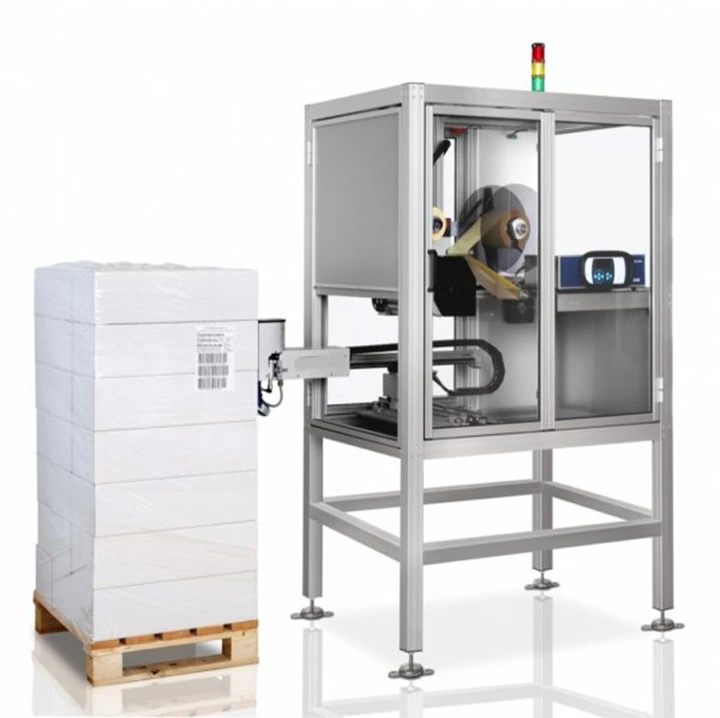
Serialization & Track-and-Trace Integration – Essential for meeting regulatory requirements such as EU FMD and US DSCSA.
-
Clear-Label Sensors & Vision Inspection Systems – Guarantee correct label application and verify printed information like batch numbers and expiry dates.
Why This Combination Works
By combining a peristaltic pump or piston filler with a precision chuck or spindle capper and a labeller equipped with serialization and inspection, you ensure:
-
GMP-compliant, contamination-free filling
-
Secure and compliant closures
-
Legally compliant, accurate labelling with full traceability
-
Consistency, speed, and reliability for both small-batch and large-scale production