Wrapping and sealing selection
Compare the finished-pack route and trial requirements.

Shrink-wrapping guidance
Shrink wrapping can collate products, protect a retail pack or secure a transit bundle. Product dimensions, film, seal style, pack pattern and required finish determine the suitable sealer and tunnel arrangement.
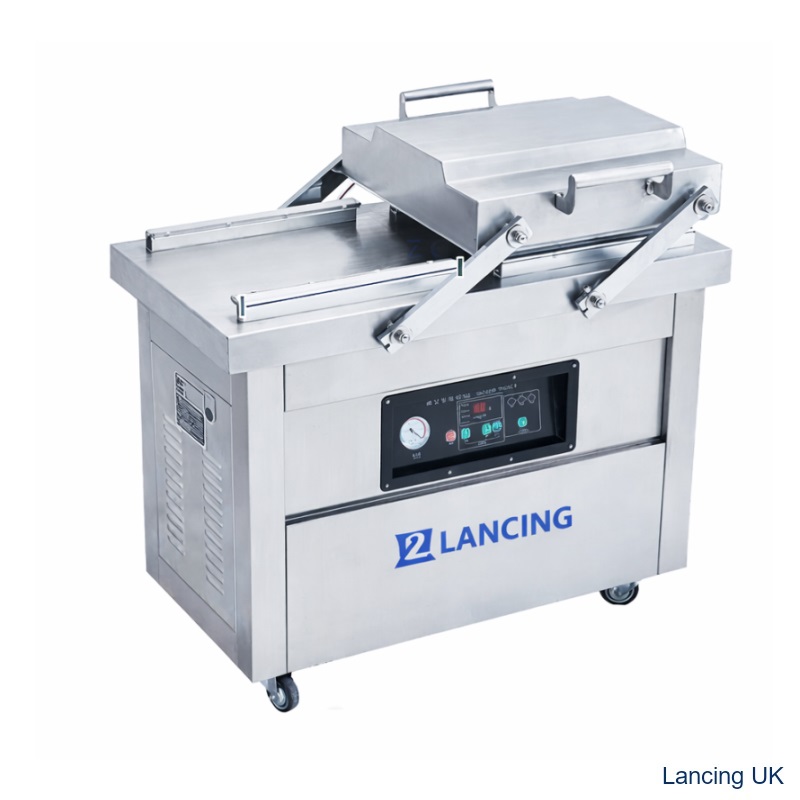
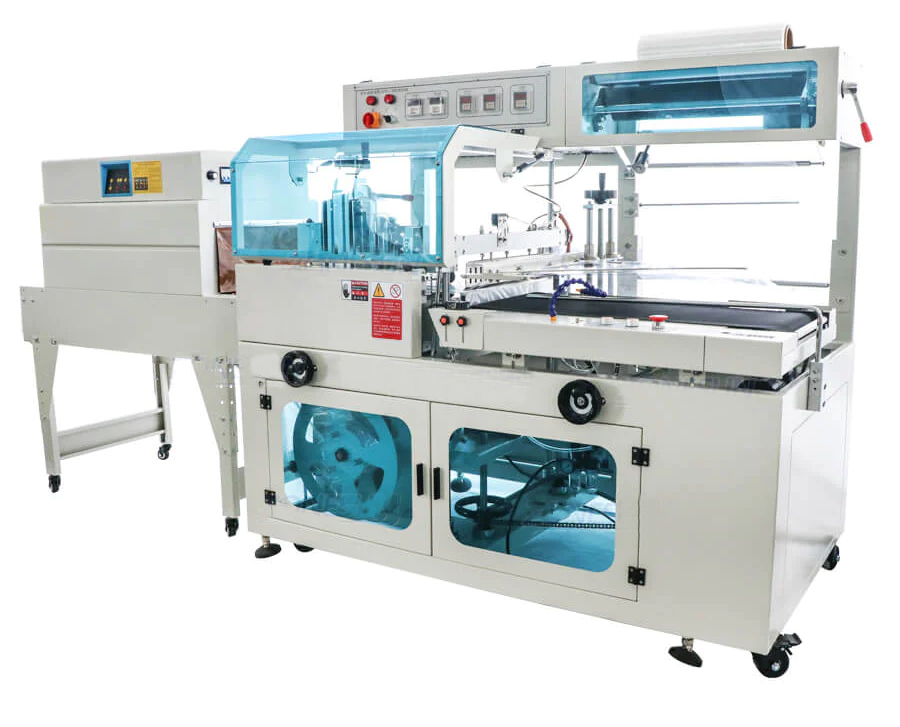
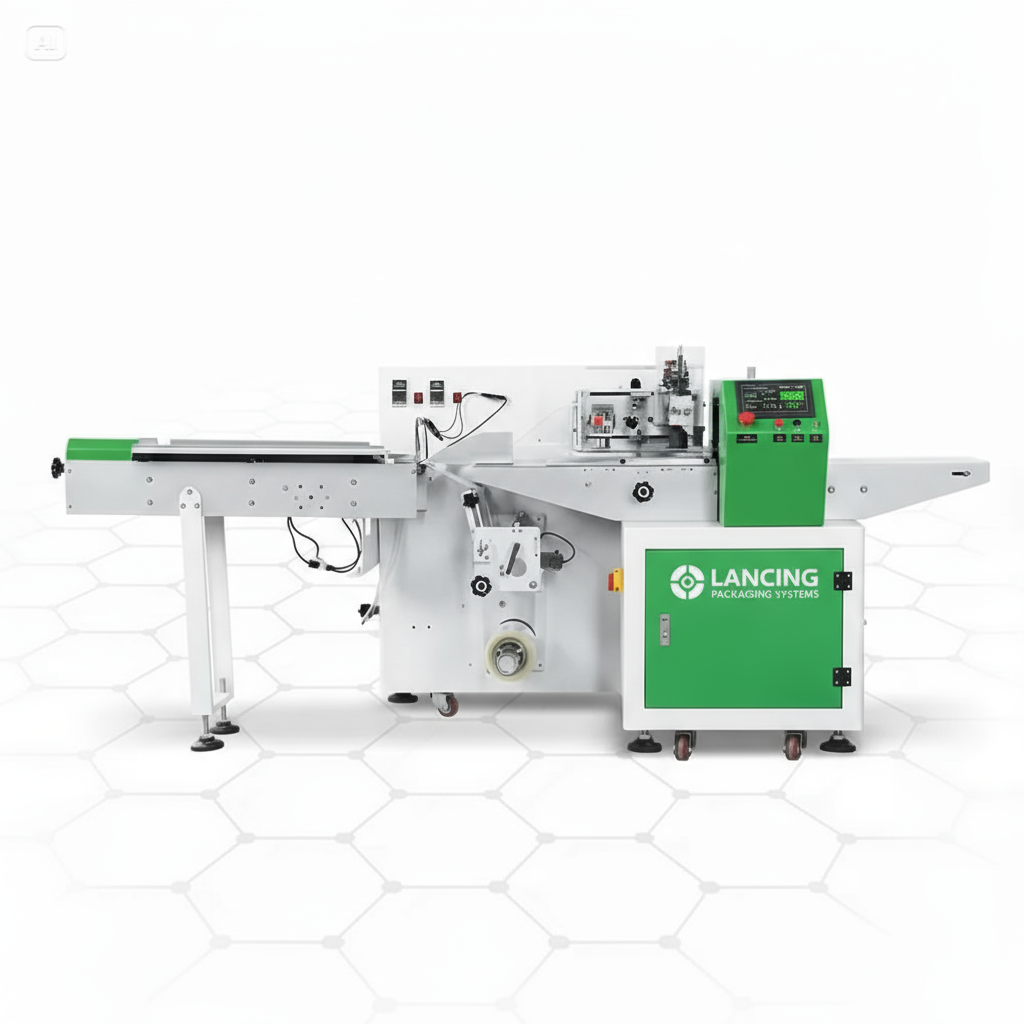
These systems are commonly considered for individual or grouped products where a closed film envelope and presentation finish are required. Compare chamber sealers and automatic L-sealers.
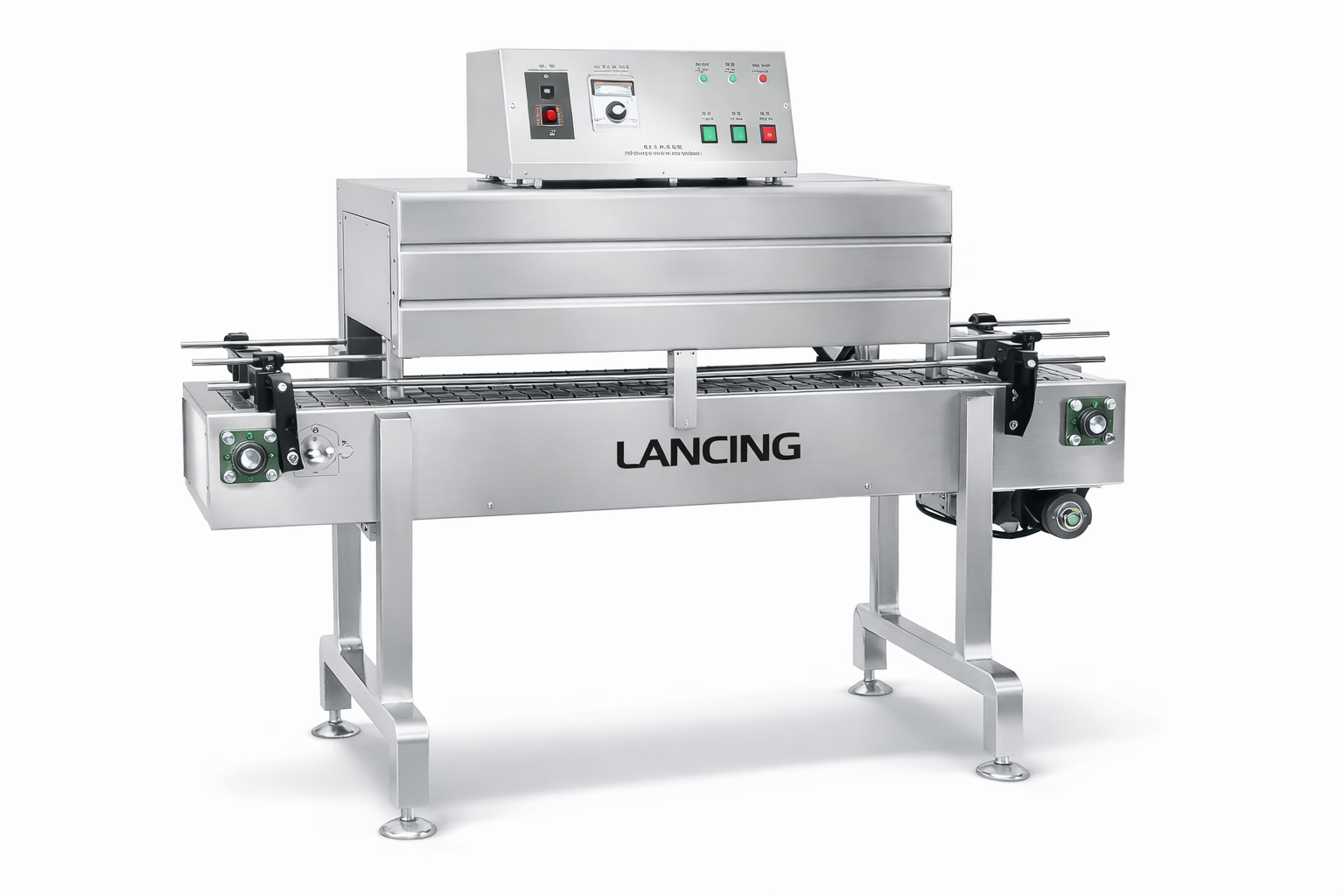
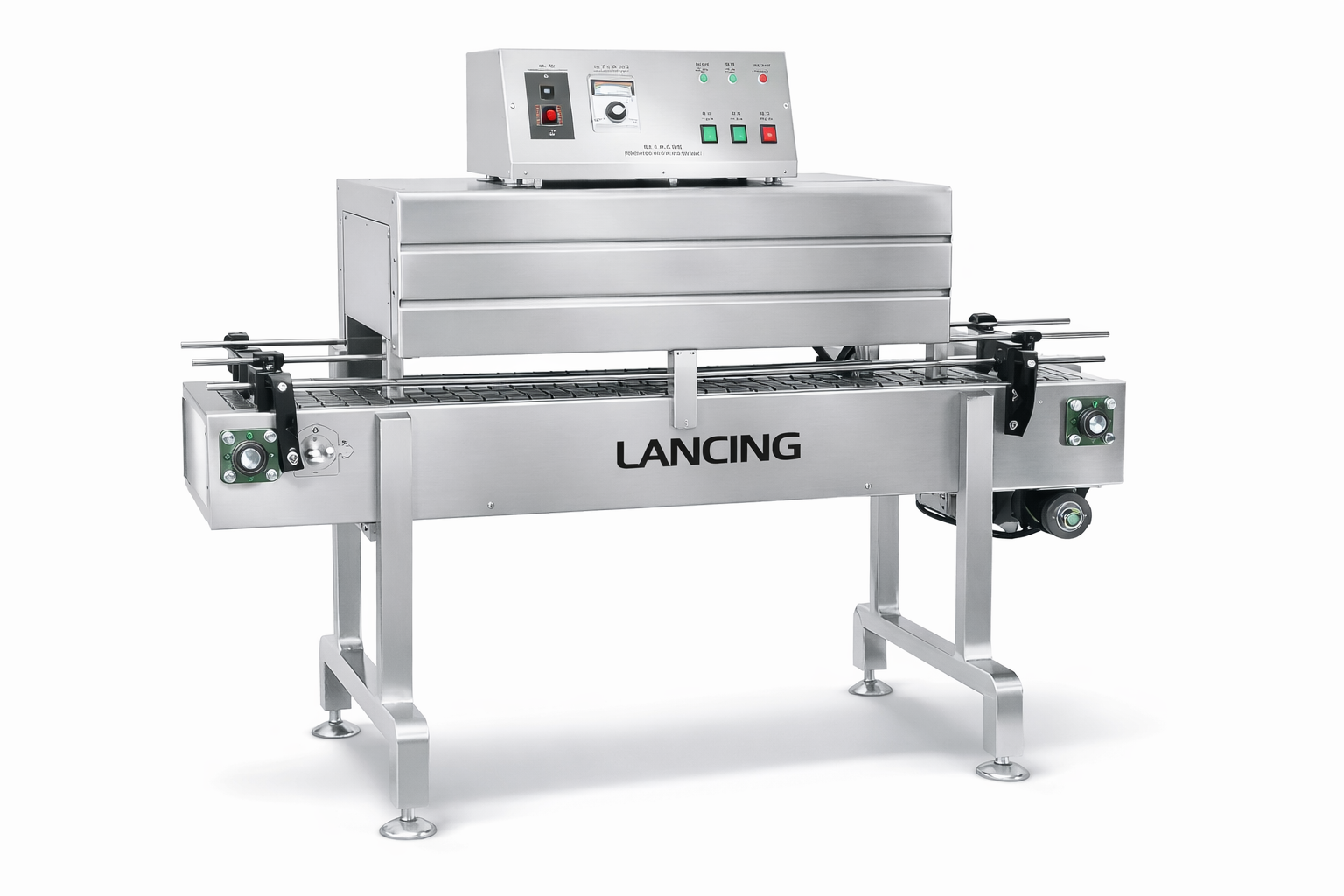
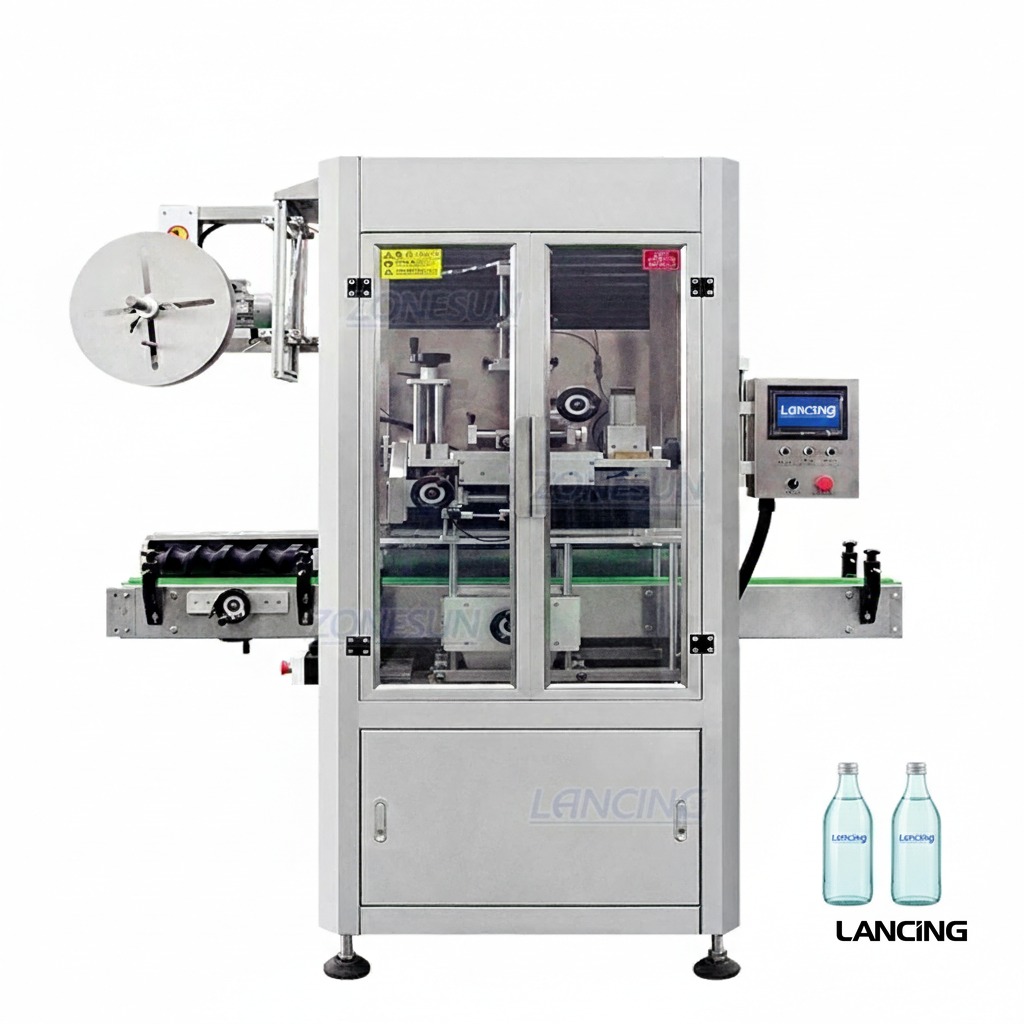
Sleeve sealers suit grouped packs and transit bundles where the film is open at the sides. The tunnel must be matched to the film, pack mass and production rate. See sleeve sealing and heat tunnels.
Film gauge and shrink characteristics affect seal strength, clarity and the final pack shape. Heavy or heat-sensitive products may need a different tunnel dwell and airflow from lightweight packs. Closely packed bottles, trays and irregular bundles also shrink differently.
Define whether the pack is intended for retail presentation, tamper evidence, dust protection or transport. Provide the smallest and largest pack, the collation pattern, orientation on the conveyor and the acceptable location of seals. For printed film, registration and artwork position must be included.
Use production products and the intended film to confirm seal and shrink quality.
Discuss shrink wrappingAn L-sealer normally encloses the product in a film envelope before shrinking. A sleeve sealer wraps film around a product or group with open sides, which is often suitable for bundles.
A shrink film normally needs controlled heat after sealing. Some chamber machines combine sealing and shrinking, while inline systems use a separate tunnel.
It can be considered, but print registration, film tracking, artwork position and pack length must be included in the specification and tested with the actual film.
The opening must accept the largest pack and the heated length must provide enough controlled dwell for the chosen film and output. Pack mass and heat sensitivity also matter.
Provide the production pack or a representative load, the intended film specification, the collation pattern and the required finished appearance.
Shrink-wrapping planning
Shrink equipment should be selected around the actual single pack or collation, product heat sensitivity, film construction, seal arrangement and required presentation.
Send the normal and extreme product or collation formats, including the least stable bundle. Define whether the wrap is protective, tamper-evident, display-ready or intended to contain a transit group. Supply the proposed film and an approved pack sample. Tunnel conditions, ventilation, product temperature, film gauge and pack geometry should be tested together.
Use the wrapping and sealing machine guide to compare sleeve wrapping, L-sealing and other routes, and the site preparation guide to plan heat, electrical supply, ventilation, access and safe material handling.
Compare the finished-pack route and trial requirements.
Plan power, ventilation, access and clearances around sealing and tunnel equipment.
Define shrink appearance, seal and sustained pack tests for FAT and SAT.
Ready to discuss the application?
Send the application details to Lancing for a tailored machinery review.
Shrink film and pack preparation
Supply the actual product or collation, film construction, dimensions and supplier shrink information. State acceptable finished appearance, product temperature limits, seal position, tunnel or heat-process constraints and the behaviour after stops. Machinery compatibility does not establish film sustainability or product suitability.
© Copyright 2025 by Lancing Ltd - all right reserved terms & conditions