
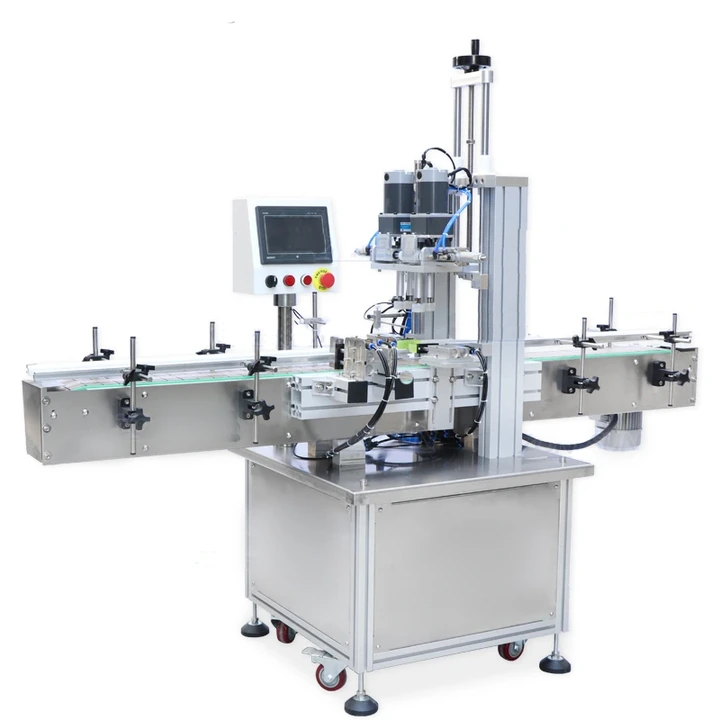
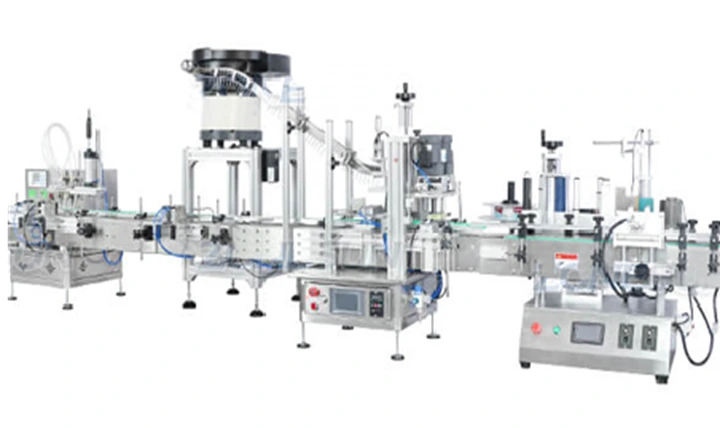
Precision, consistency, and compliance are critical in the e-liquid market. Our automatic filling, capping, and labelling systems are designed to handle small-volume, high-accuracy dosing, ensuring every bottle meets strict quality standards. For e-liquid production, we recommend our high-precision piston or peristaltic filling machines, paired with our automatic cap tighteners and wrap-around labellers—perfect for achieving leak-free seals and professional, compliant packaging. Whether you’re scaling up production or streamlining your current process, our solutions keep your operation fast, accurate, and GMP-ready.
Filling Machines
In the e-liquid market, precision isn’t optional—it’s essential. Bottles typically range from 10ml to 120ml, and even a slight overfill can mean lost product, while an underfill risks regulatory issues.
-
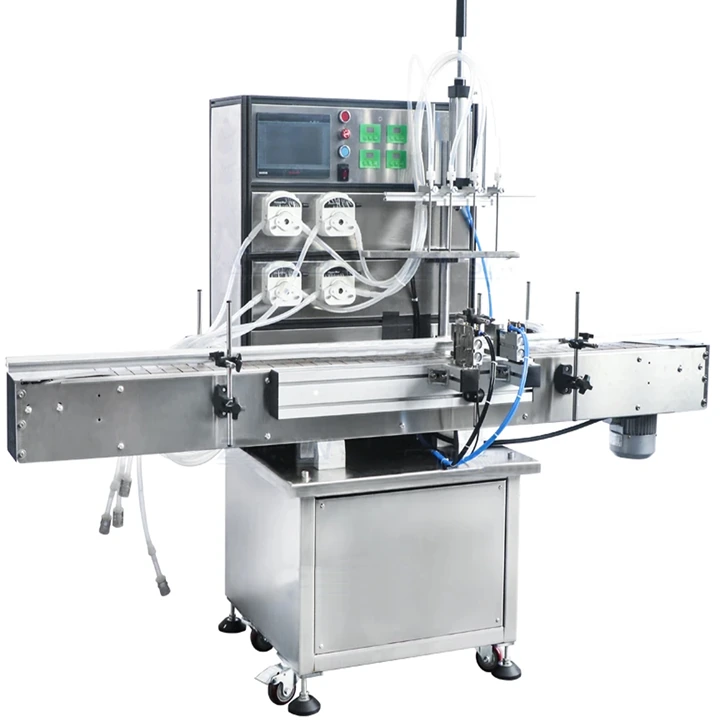
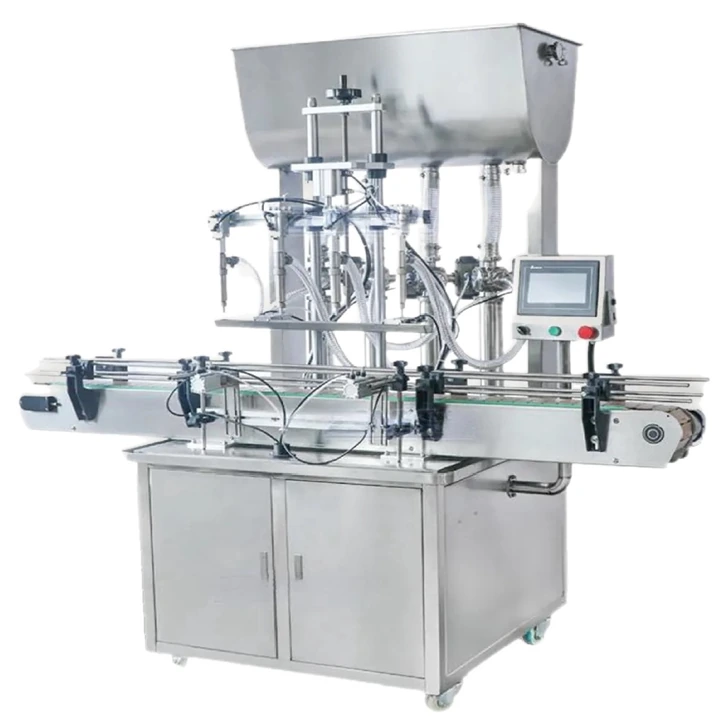
Peristaltic Pump Fillers – The gold standard for e-liquids. Product only contacts the tubing, which can be swapped out in seconds for flavour changes, reducing downtime and avoiding cross-contamination. Exceptional accuracy (±0.5% or better) makes them ideal for nicotine-based products.
-
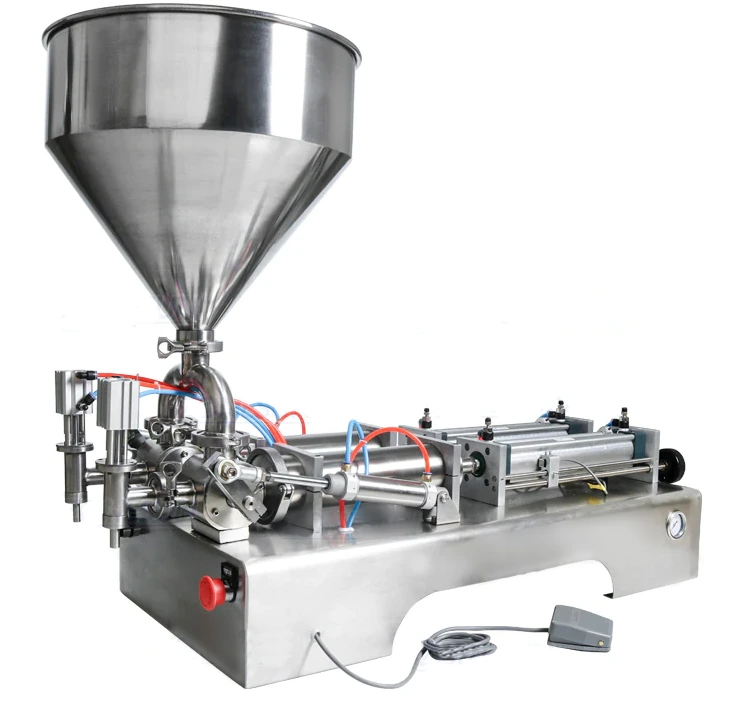
Piston Fillers – Perfect for thicker VG-heavy blends or formulations with added flavour particulates. They deliver consistent fills with excellent repeatability and are robust enough for continuous production.
Capping Machines
E-liquid bottles often use CRC (Child Resistant Closures), dropper caps, or twist caps—all of which require controlled torque.
-
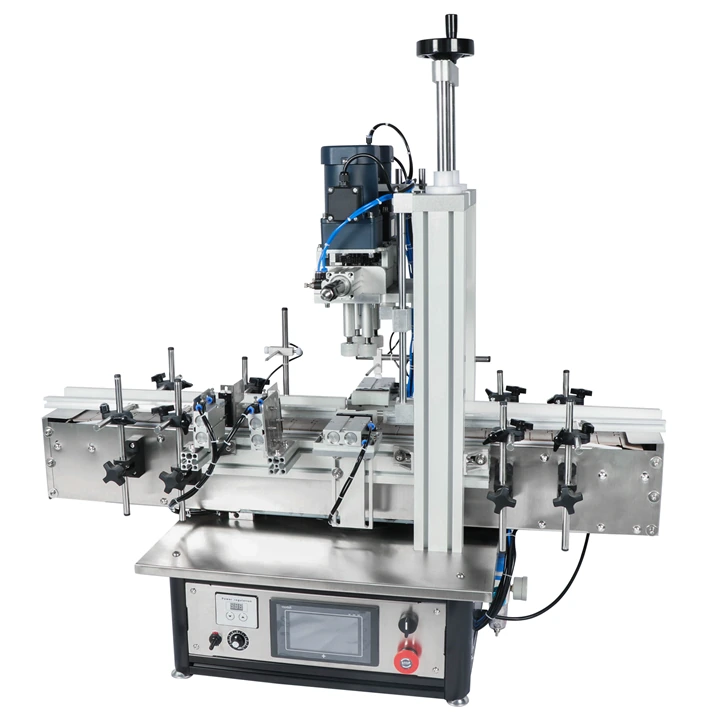
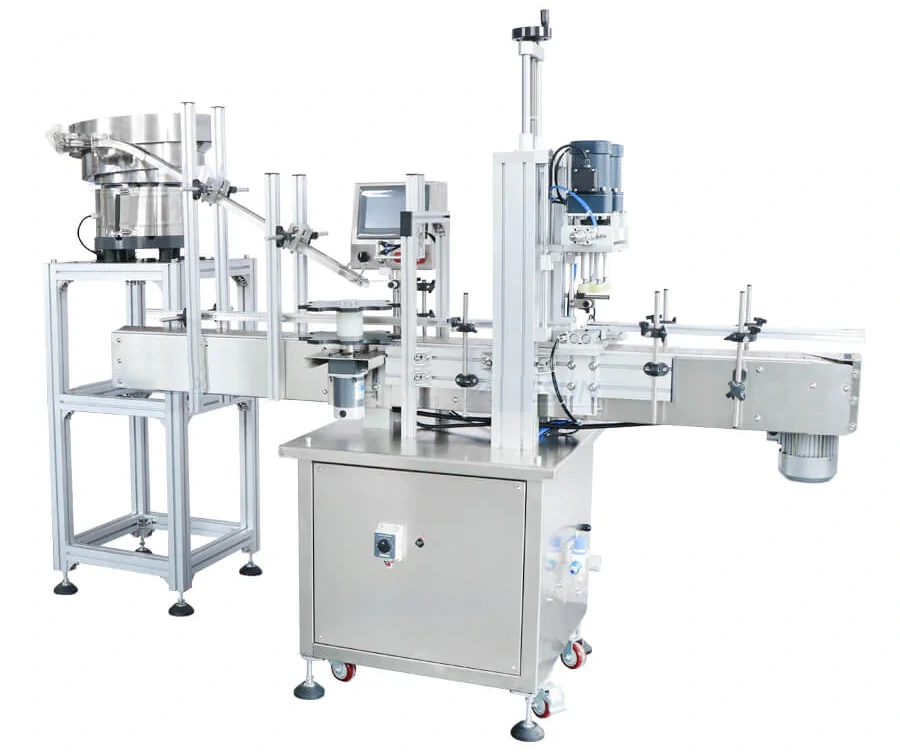
Automatic Chuck Cappers – Use a gripping chuck head to apply consistent torque, ideal for preventing leaks without damaging the closure. Excellent for high-precision requirements.
-
Automatic Spindle Cappers – Offer faster throughput and are highly versatile, capable of handling a range of cap sizes without major changeovers. Perfect for larger production runs.
Labelling Machines
Presentation matters in a competitive e-liquid market, where labels carry branding, ingredient info, and compliance warnings.
-
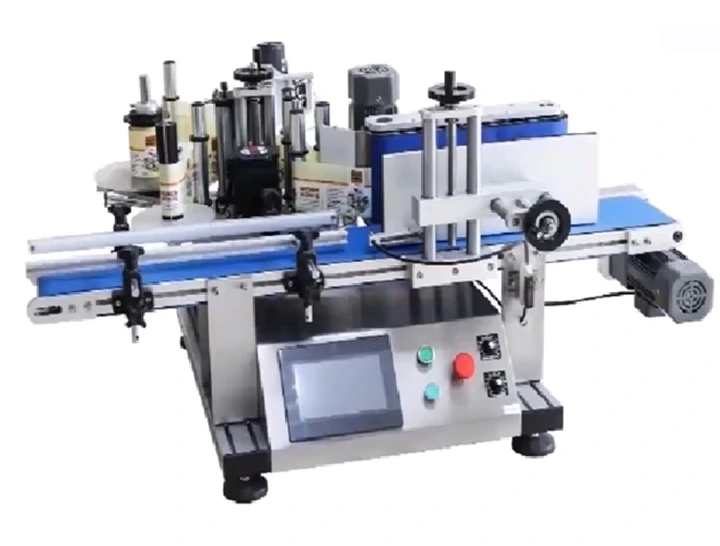
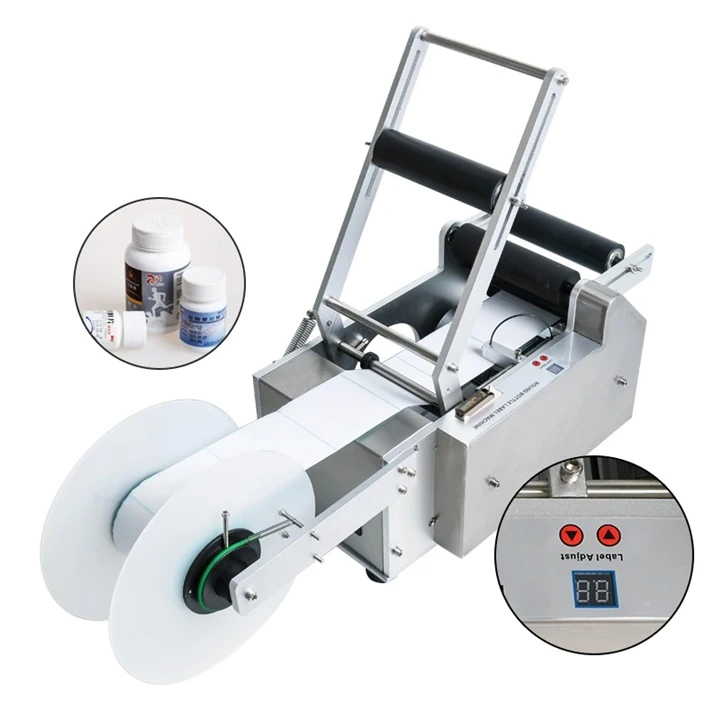
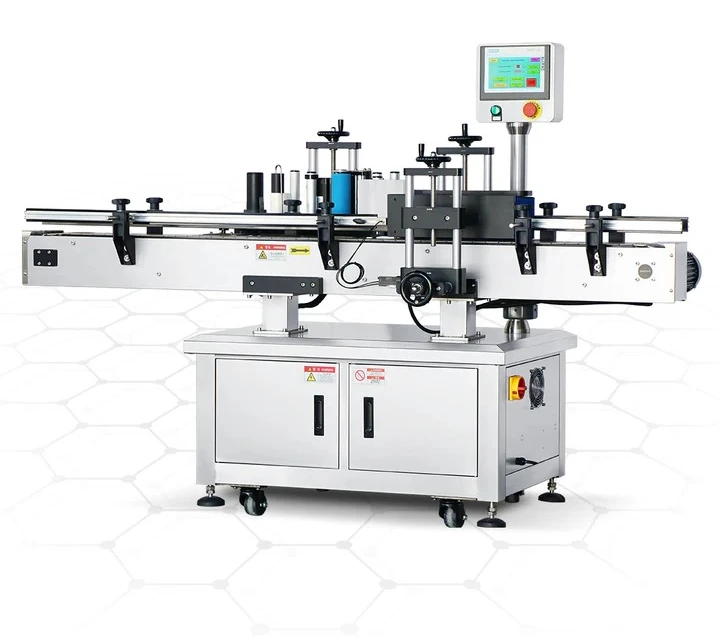
Wrap-Around Labellers – Best for cylindrical bottles, delivering smooth, bubble-free application even on small-diameter containers.
-
Front-and-Back Labellers – For flat-sided or uniquely shaped bottles, ensuring both sides are aligned perfectly for a professional finish.
-
Clear-Label Sensors – Optional but highly recommended if you use transparent labels, as they prevent misreads and ensure consistent placement.
Why This Combination Works
By pairing a peristaltic pump filler (or piston for thicker blends) with an automatic chuck or spindle capper and a wrap-around or front-and-back labeller, you get:
-
Consistent, accurate fills
-
Secure, leak-proof seals
-
Compliance with safety and packaging regulations
-
A polished, retail-ready look that stands out on shelves