Coding and inspection guide
Plan data, print, verification, tracking and reject response.

Coding and sealing guidance
Coding and sealing equipment must be matched to the substrate, information, line speed and pack environment. A readable code and a sound seal both require production materials for testing.
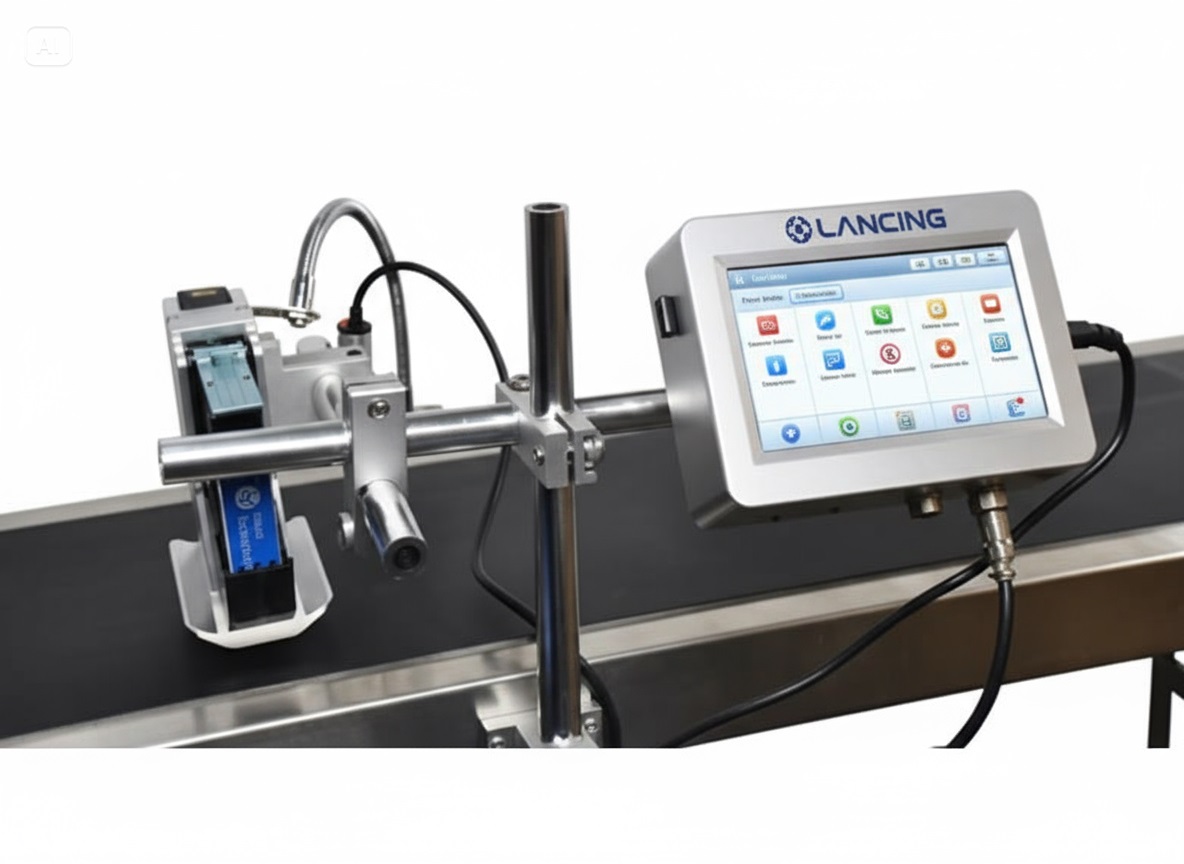
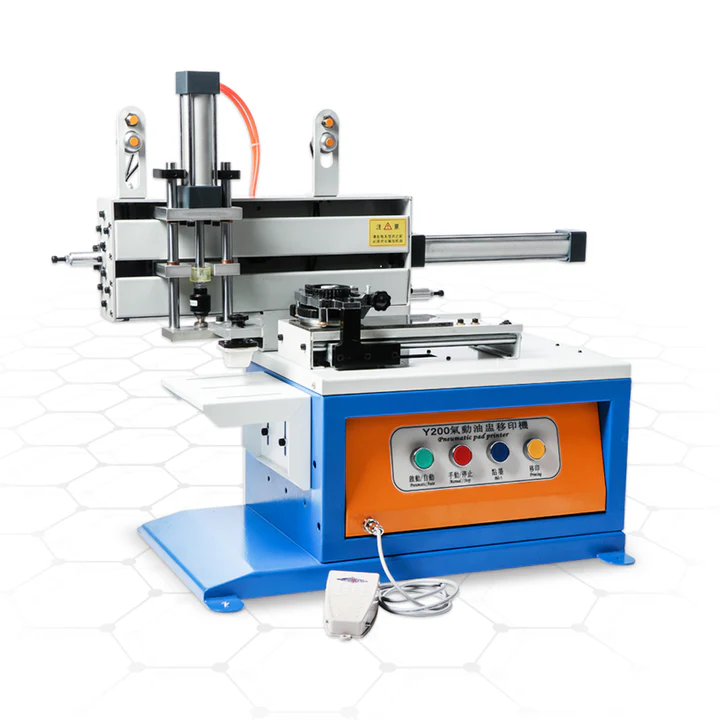
Define the date, batch, barcode or other data, the print area and the substrate. See inkjet coding for a current online coding option.
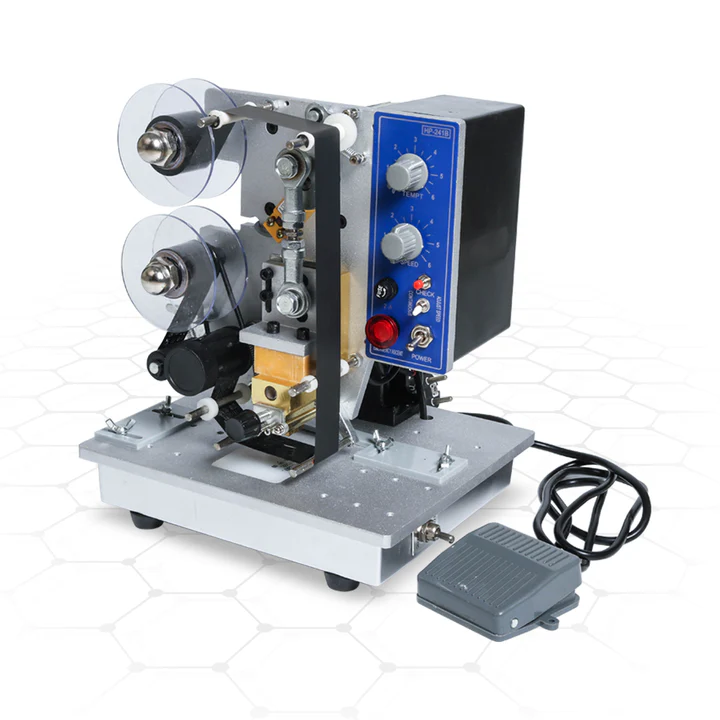
Where a full variable label is required, a printer-applicator can print and place it in one process. Compare print and apply labelling.
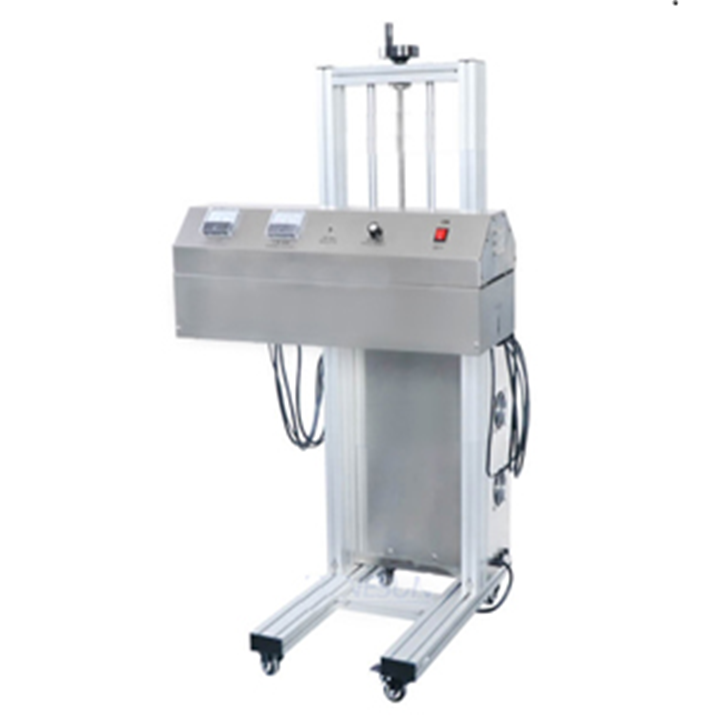
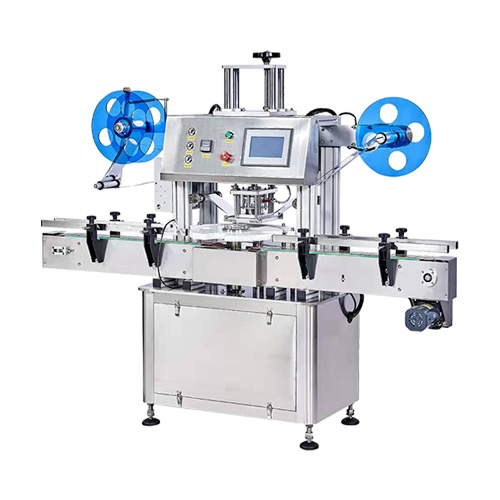
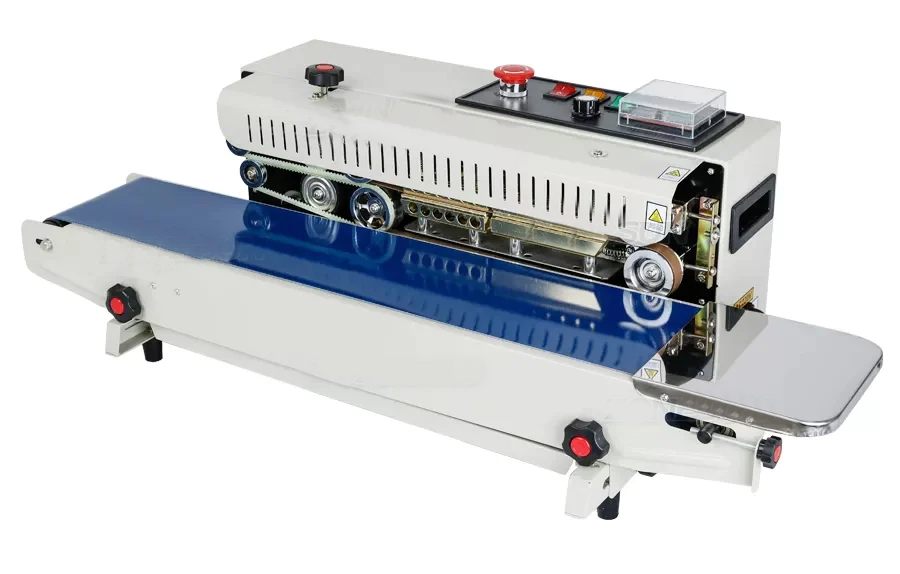
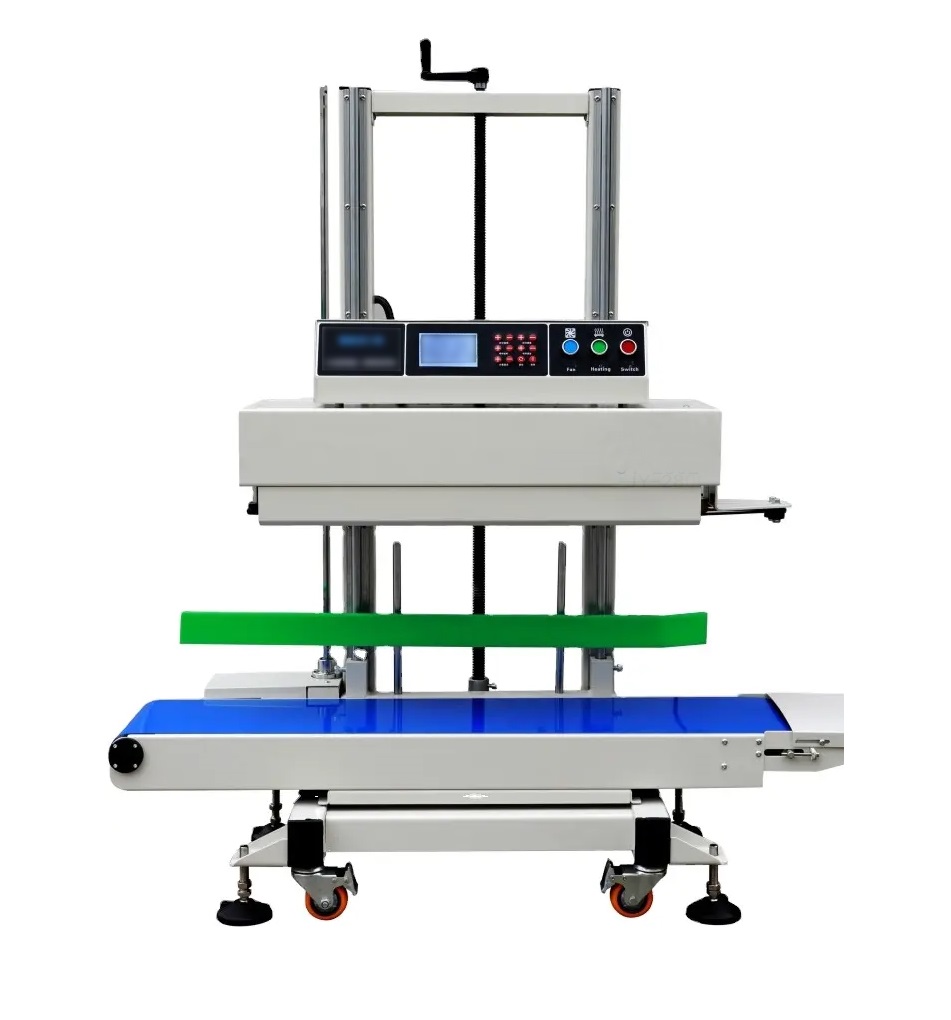
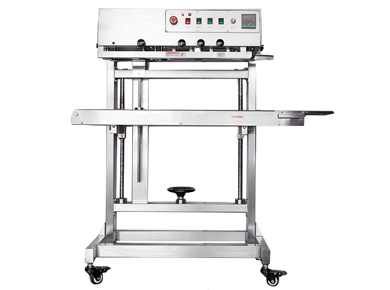
Seal method depends on the pack construction. Review induction sealing and the bag and pouch sealing range.
Ink adhesion and contrast vary with material, colour, coating, moisture and distance from the print head. Label printing also depends on ribbon, label face stock and resolution. Provide the exact production substrate and the smallest required character or code.
For heat sealing, supply the full laminate and pack thickness. Seal strength is affected by temperature, pressure, dwell and contamination. For induction sealing, the container, cap and foil liner must be evaluated as a complete closure system.
Provide the exact pack material and required code or seal for testing.
Review coding or sealingThe choice depends on substrate, code content, print area, contrast, line speed and environment. A sample print on the production material is the most useful comparison.
Often it can, provided there is enough controlled product travel, a trigger position, mounting space and suitable electrical and control interfaces.
Provide the symbology, data length, required size, substrate and verification standard or acceptance method. Resolution and contrast must be tested together.
Incorrect temperature, pressure or dwell, wrinkles, contamination and unsuitable laminate can all reduce seal strength. The real film and product should be tested.
No. The container, cap, liner and product environment must be compatible with the induction process and the intended seal performance.
Data and pack-quality planning
Coding, inspection and sealing should be defined by the finished pack and the line response to a failed result.
Provide the exact code content, substrate, print window, data source and line speed. Separate print presence, readability, correct content and barcode quality. Define how each result remains linked to the correct pack and how rejection is confirmed.
For sealing, identify the full material structure, contamination risk, seal location, heat or induction process and acceptance method. Use the coding and inspection guide and wrapping and sealing guide to prepare the specification.
Plan data, print, verification, tracking and reject response.
Define film, pouch, liner and seal acceptance.
Turn code, inspection and seal criteria into repeatable tests.
Ready to discuss the application?
Send the application details to Lancing for a tailored machinery review.
Printing, coding and sealing project detail
Printer selection depends on the actual substrate, surface, code content, print area, line speed, presentation and verification method. Sealing depends on material construction, clean contact surfaces, heat or energy input, pressure, dwell and cooling. A combined line should define both results and the response to a failed code or seal.
Sealing process choice
Induction and direct heat sealing act on different package constructions. Define the container, closure, liner, film layers, product contamination, process sequence and test method before choosing the machine family.
Match the process to the complete packaging construction.
Review induction-sealing equipment and application inputs.
Review direct heat sealing for bags and pouches.
© Copyright 2025 by Lancing Ltd - all right reserved terms & conditions